Comparing Action Sequences in Novels vs. Screen
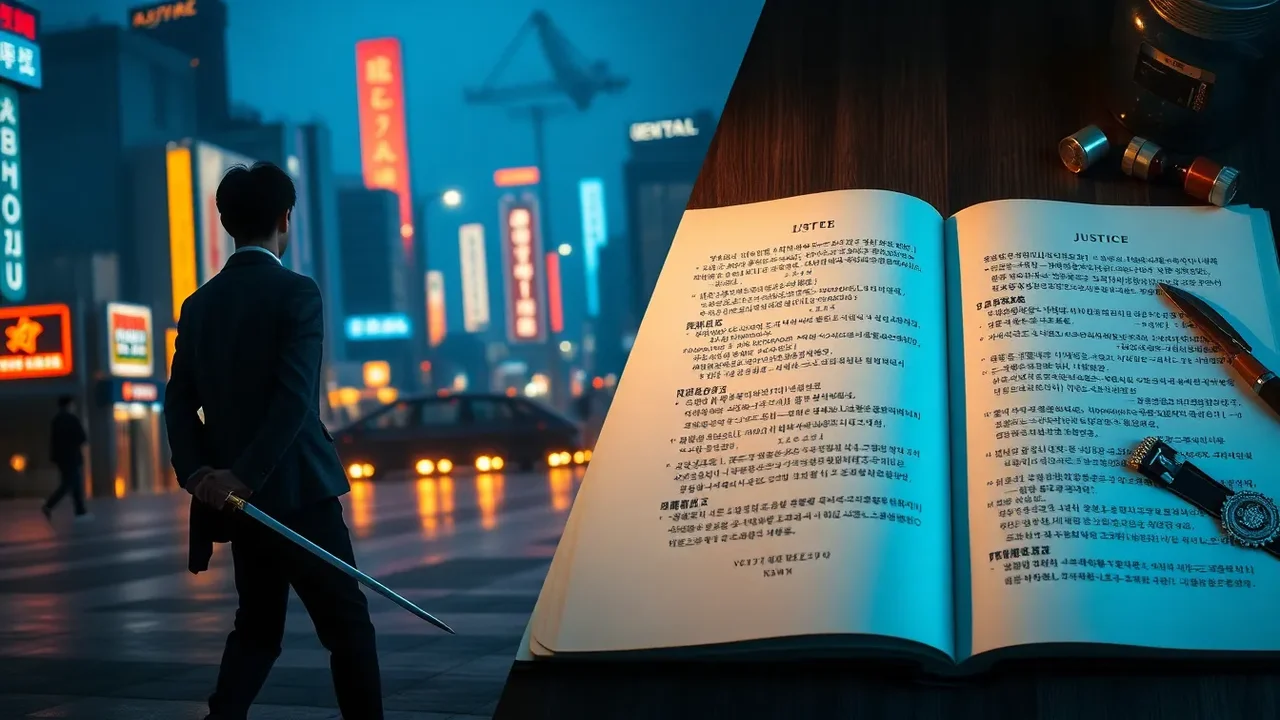
The transition from screen to page transforms the visceral impact of action sequences. In K-dramas like Vincenzo, action is a choreographed visual spectacle—slow-motion punches, dramatic flips, and explosive set pieces. The novel adaptation, however, must rely on descriptive language to convey the same intensity. For example, the iconic scene where Vincenzo Cassano dismantles a gang in a warehouse is rendered through precise verbs and sensory details: the metallic clang of a pipe, the grunt of a thug hitting the floor, the cold fury in Vincenzo’s eyes. This shift forces readers to engage their imagination, often resulting in a more personal and immersive experience. Taxi Driver similarly benefits from novelization; the revenge missions become psychological battles as much as physical ones, with internal monologues revealing the driver’s moral conflicts. The pacing also differs—novels can linger on a single blow, expanding a ten-second fight into a page of tension, whereas dramas must adhere to runtime constraints.
Character Depth and Internal Monologue
One of the greatest advantages of action novels based on popular K-dramas is the access to characters’ inner worlds. In the drama Kingdom, Lee Chang’s stoic determination is conveyed through actor Ju Ji-hoon’s expressions and body language. The novelization, however, delves into his thoughts: the crushing weight of his father’s betrayal, the fear of the undead plague, and the hope that drives him forward. This internal narration adds layers of complexity that the screen cannot fully capture. Similarly, The Uncanny Counter novel expands on the backstory of each counter, revealing their traumatic pasts in greater detail. For instance, So Mun’s struggle with his parents’ death is explored through flashbacks that were omitted from the drama due to time constraints. Such depth allows readers to form a stronger emotional bond with the characters, making the action stakes feel more personal.
Example: The Uncanny Counter
In the drama, the counters’ powers are shown through CGI and quick cuts. The novel describes the sensation of absorbing evil spirits—a cold, writhing energy that courses through the body. It also explains the rules of the spirit world in more logical detail, answering questions that the drama left ambiguous. This practical information enriches the lore and makes the action sequences feel grounded in a coherent system.
Plot Expansion and Subplots
Novel adaptations often include scenes that were cut from the final drama edit or expand on minor characters. A comparison table highlights these differences:
| Aspect | Drama | Novel |
|---|---|---|
| Action choreography | Visual stunts with music and editing | Descriptive combat with emphasis on sensation |
| Character backstory | Limited screen time; relies on acting | Extended flashbacks and internal thoughts |
| Pacing | Episodic with cliffhangers | Continuous narrative with deeper immersion |
| Subplots | Condensed or omitted | Including side stories and supporting arcs |
For example, the novelization of Vincenzo includes a subplot about a journalist investigating Babel Group that was only hinted at in the drama. This adds a layer of suspense and provides a different perspective on the main conflict. Similarly, Taxi Driver novel expands on the victims’ backgrounds, making their revenge more emotionally resonant. Readers gain a fuller understanding of the world, which enhances the impact of the action scenes.
Practical Information for Readers
For those interested in exploring action novels based on popular K-dramas, the following list provides key titles and availability:
- Vincenzo (novel by Park Jae-beom) – Available in Korean and English translation; e-book and paperback formats.
- Kingdom (novel by Kim Eun-hee) – Official English translation published by Penguin Random House; includes maps and character illustrations.
- The Uncanny Counter (novel based on webtoon/drama) – Available in Korean; English fan translations exist online.
- Taxi Driver (novelization) – Published in Korean; English version expected in 2025.
- My Name (novel adaptation) – Focuses on Ji-woo’s internal struggle; available in digital format.
These novels are often sold through major retailers like Amazon, Kyobo Books, and Yes24. Many include bonus content such as author notes, deleted scenes, and concept art. Reading them alongside the drama can provide a richer experience, allowing fans to spot differences and appreciate the creative choices made in each medium.
Narrative Techniques in Novel Adaptations
Adapting a screenplay into a novel requires careful manipulation of narrative perspective. Most K-drama action novelizations use third-person limited, focusing on the protagonist’s viewpoint. This allows for intimate access to their thoughts while maintaining the objectivity needed for action descriptions. In My Name, the novel shifts between Ji-woo’s first-person diary entries and third-person action scenes, creating a raw, confessional tone that contrasts with the drama’s gritty realism. Another technique is the use of present tense to mimic the immediacy of screen action. For instance, the Kingdom novel often uses present tense during zombie attacks, making the reader feel as if the threat is happening now. This contrasts with the past tense used in slower, reflective passages, creating a dynamic rhythm.
First-Person vs. Third-Person
The choice of perspective can dramatically alter the reading experience. First-person narration in action novels (e.g., The Uncanny Counter fan novelizations) draws readers directly into the protagonist’s adrenaline-fueled mindset. However, most official adaptations stick to third-person to allow for multiple character viewpoints, which is essential in ensemble dramas like Taxi Driver. The novel can seamlessly jump from the driver’s planning to the victim’s suffering to the villain’s panic, something the drama can only achieve through cross-cutting.
Fan Reception and Critical Analysis
Fans of K-dramas often turn to novelizations to revisit favorite scenes with more detail. Online communities discuss how the novels add new dimensions to the story. For example, Vincenzo novel readers praise the expanded role of the Geumga Plaza tenants, whose comic relief is balanced with deeper character development. Critics note that some action scenes lose their kinetic energy on the page, but others argue that the prose allows for a more thoughtful appreciation of the choreography. A common point of comparison is the handling of violence: dramas must adhere to broadcast standards, while novels can be more graphic. In Kingdom, the novel describes the visceral decay of zombies in unflinching detail, enhancing the horror. This difference makes the novel a distinct artistic work rather than a mere transcript. Overall, action novels based on popular K-dramas offer a valuable complementary experience, deepening the narrative and providing fresh insights into beloved characters and worlds.
FAQ - Action Novels Based on Popular K-Dramas: A Comparison
Are action novels based on K-dramas officially licensed?
Yes, many are official novelizations published by the drama's production company or a major publisher. Examples include the 'Kingdom' novel by Kim Eun-hee and 'Vincenzo' by Park Jae-beom. However, some are fan translations or unofficial adaptations, so always check the publisher.
How do the novels differ from the original drama scripts?
Novels often expand on character backstories, include internal monologues, and add subplots that were cut from the drama. They also describe action scenes with more sensory detail, but lose the visual impact of choreography and cinematography.
Where can I buy English translations of these novels?
Major online retailers like Amazon, Barnes & Noble, and Book Depository carry some translations. For Korean originals, try Kyobo Books or Yes24. 'Kingdom' has an official English translation, while others may only have fan translations.
Do the novels cover the entire drama series?
Most novelizations cover the complete storyline of the drama, sometimes including bonus chapters or alternate endings. However, they may condense or omit certain scenes due to page limits. Always check the synopsis.
Which action K-drama has the best novel adaptation?
Fans often praise the 'Kingdom' novel for its atmospheric writing and expanded lore. 'Vincenzo' is also highly regarded for its humor and character depth. 'Taxi Driver' novelization is noted for its gritty realism.
Can I read the novel without watching the drama?
Yes, novels are self-contained and can be enjoyed independently. However, watching the drama first may enhance the reading experience by providing visual context for the action scenes.
Action novels based on popular K-dramas like Vincenzo, Kingdom, and Taxi Driver adapt screen action into immersive prose, offering deeper character insights, expanded subplots, and sensory combat descriptions. This comparison explores differences in pacing, narrative techniques, and fan reception, helping readers choose between watching or reading their favorite action stories.
Action novels based on popular K-dramas offer a unique bridge between screen and page, allowing fans to delve deeper into the narratives they love while experiencing the thrill of action through descriptive prose. Whether you prefer the visual spectacle of the drama or the introspective depth of the novel, both mediums enrich each other, proving that great stories can thrive in any format.