Key Elements of Memorable Fight Scenes in K-Drama Action Novels
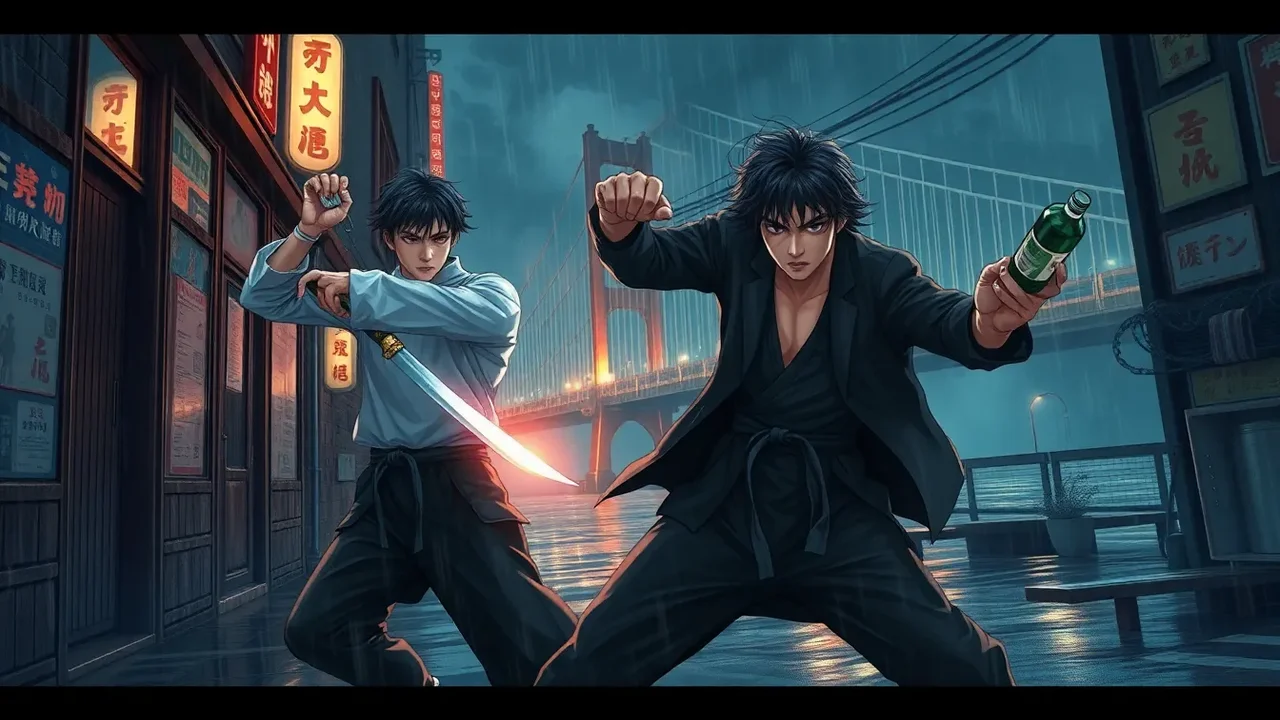
K-Drama action novels often elevate fight scenes beyond mere physical confrontation, weaving them into the emotional and narrative fabric of the story. A standout fight scene is not just about who wins, but how the conflict reveals character growth, stakes, and thematic depth. The best scenes combine meticulous choreography with vivid sensory details, making readers feel every blow, dodge, and moment of hesitation. Authors use pacing to build tension, often starting with slow, deliberate movements before accelerating into a flurry of strikes. The use of emotional stakes is crucial: a fight between rivals might be fueled by past betrayals, while a hero’s last stand for a loved one carries immense weight. Additionally, the setting plays a key role—a rain-slicked rooftop, a cramped alley, or a grand palace hall can heighten the drama. The choreography in K-Drama novels often draws from traditional martial arts like Taekwondo and Hapkido, but also incorporates modern elements such as gunplay and parkour. The result is a blend of grace and brutality that keeps readers on the edge of their seats.
Choreography and Description Techniques
Authors employ specific techniques to make fight scenes vivid. One common method is the use of slow-motion effects in prose, where a single punch is described in multiple sentences, breaking down the trajectory, the impact, and the aftermath. Another is the exchange of blows in rapid succession, using short, punchy sentences to mimic the rhythm of combat. For example, a scene from the novel Shadow of the Blade describes: “His fist flew—a blur of knuckles—then connected with a sickening crack. She sidestepped, her blade whispering through the air, tracing a silver arc.” This alternation between fast and slow pacing keeps the reader engaged. Additionally, authors often use sensory details: the smell of rain on concrete, the metallic taste of blood, the sound of fabric tearing. These elements ground the fight in reality, making it immersive. The best K-Drama action novels also integrate the characters’ internal monologue during fights, revealing their strategies, fears, and determination. This dual-layer approach—external action and internal thought—creates a rich, layered experience that distinguishes these novels from mere action sequences.
Notable Fight Scenes from Popular K-Drama Action Novels
To illustrate the range and quality of fight scenes, here is a table highlighting several memorable examples from well-known K-Drama action novels. These scenes are often cited by fans for their creativity, emotional impact, and technical detail.
| Novel Title | Fight Scene | Key Features | Why It Stands Out |
|---|---|---|---|
| The Scarlet Dagger | Final confrontation on a suspension bridge | Rainy night, dual-wielding daggers, emotional betrayal revealed mid-fight | Combines physical combat with a devastating plot twist; the rain adds visual poetry |
| Echoes of the Wind | Alleyway brawl between rival assassin guilds | Close-quarters, improvised weapons (broken bottles, chains), rapid cuts between perspectives | Showcases teamwork and individual skill; the chaotic setting feels claustrophobic |
| Blade of the Phoenix | One-on-one duel in a bamboo forest | Graceful swordplay, use of bamboo as both weapon and obstacle, slow-motion final strike | Emphasizes honor and sacrifice; the serene environment contrasts with lethal intent |
| City of Shadows | Rooftop chase and fight with a corrupt politician’s bodyguards | Parkour moves, gunplay interspersed with hand-to-hand, high-altitude tension | Modern urban setting; the hero uses environment to gain advantage (e.g., jumping between buildings) |
| Moonlit Oath | Night-time battle in a flooded temple | Water reflections, martial arts with grappling, desperate struggle against multiple opponents | Unique aquatic choreography; the moon and water create a haunting atmosphere |
Each of these scenes demonstrates a different strength of the genre. For instance, the suspension bridge fight in The Scarlet Dagger is remembered for its emotional gut-punch, while the bamboo forest duel in Blade of the Phoenix is praised for its elegance. The variety ensures that readers never tire of the action, as each novel brings its own flavor to combat.
Techniques Used in K-Drama Action Novel Fight Scenes
Authors employ a toolkit of narrative techniques to craft these memorable fights. Below is a list of the most common and effective methods, along with examples of how they are applied.
- Pacing Variation: Fight scenes often start slow, with characters sizing each other up, then accelerate into a flurry of action. For example, in City of Shadows, the hero and villain circle each other for a full page before the first punch is thrown. This builds anticipation. Later, the pace quickens with short, staccato sentences: “He lunged. She ducked. A kick. A block. Sweat and spit.”
- Sensory Immersion: The best scenes engage all five senses. In Echoes of the Wind, the alleyway fight includes the smell of garbage, the sound of rain on metal, the taste of blood, and the sight of shattered glass. This makes the reader feel present in the scene.
- Emotional Stakes: Every fight must matter to the character’s arc. In Moonlit Oath, the protagonist fights not just to survive but to protect a secret that could destroy her family. The emotional weight transforms the combat into a deeply personal struggle.
- Use of Environment: K-Drama action novels often turn the setting into a weapon. In Blade of the Phoenix, the bamboo forest becomes a maze; the hero uses bamboo stalks to deflect attacks and create trip hazards. In The Scarlet Dagger, the suspension bridge sways and creaks, adding an element of instability.
- Cinematic Techniques: Authors borrow from film, using “camera angles” in prose. A scene might start with a wide shot describing the entire battlefield, then zoom in on a character’s hands or eyes. This mimics the visual language of K-Drama fight choreography, which is known for its dynamic camera work.
- Character Voice: The narrative style often shifts during fights to reflect the character’s personality. A brash hero might use aggressive, blunt descriptions, while a thoughtful assassin might analyze each move with cold precision. This keeps the fight unique to the protagonist.
How Authors Build Tension Through Fight Scenes
Tension is the lifeblood of any fight scene. In K-Drama action novels, authors use several strategies to keep readers on edge. One is the countdown mechanism: a time limit, such as a bomb ticking or a hostage situation, adds urgency. Another is the unreliable narrator—the protagonist might be injured or disoriented, making the reader unsure of what is real. For example, in City of Shadows, the hero suffers a head wound, and the fight scenes become fragmented, with gaps in memory. This disorientation mirrors the character’s state and heightens suspense. Additionally, authors often use interweaving subplots during a fight. While two characters clash, a third party might be sneaking up, or a crucial piece of information might be revealed. This multitasking keeps the scene layered and unpredictable. The best K-Drama action novels also employ emotional reversals: a character who seemed to be winning suddenly learns a devastating truth, causing them to falter. This emotional punch can be more impactful than any physical blow. For instance, in The Scarlet Dagger, the hero discovers his opponent is his long-lost brother mid-fight, and the scene shifts from a brutal combat to a heartbreaking dialogue punctuated by sword strikes.
Practical Tips for Writing Fight Scenes Inspired by K-Drama Action Novels
For aspiring writers looking to capture the essence of these fight scenes, here are some practical guidelines drawn from the best examples in the genre. First, research martial arts basics—you don’t need to be an expert, but understanding terms like “roundhouse kick” or “parry” adds authenticity. Second, create a storyboard before writing: sketch out the physical movements and emotional beats. This helps maintain clarity. Third, vary sentence length to control rhythm. Short sentences for quick actions, longer ones for moments of reflection or description. Fourth, use the fight to advance character development. A character’s fighting style should reflect their personality: a disciplined soldier uses precise, economical moves; a desperate amateur flails wildly. Fifth, avoid over-describing—too many details can slow the pace. Instead, focus on two or three key sensory details per exchange. Finally, read widely in the genre. Analyze how authors like those behind Echoes of the Wind and Blade of the Phoenix handle transitions between action and dialogue. By studying these techniques, you can create fight scenes that are not only thrilling but also integral to the story.
The Role of Cultural Context in K-Drama Action Novel Fights
Korean culture and history often influence the fight scenes in these novels. Many stories draw on the Joseon dynasty, with swordsmanship and archery playing central roles. Others incorporate modern Korean society, with fights taking place in bustling Seoul districts like Hongdae or Gangnam. The concept of han (a deep, persistent sorrow) sometimes fuels a character’s motivation, giving their combat a poignant undertone. Additionally, the Korean martial art of Taekwondo is frequently featured, with its high kicks and spinning techniques adding a visual flair. The emphasis on respect and honor also shapes fight dynamics: antagonists may bow before a duel, or a victor might spare a defeated foe out of principle. These cultural elements give K-Drama action novels a unique flavor that distinguishes them from Western action fiction. They remind readers that the fight is not just a physical contest but a reflection of societal values and personal codes.
Common Pitfalls to Avoid in Fight Scenes
Even experienced authors can stumble when writing fight scenes. One common mistake is over-reliance on jargon—using terms like “jab,” “cross,” or “uppercut” without context can confuse readers. Instead, describe the effect: “His fist slammed into her ribs, doubling her over.” Another pitfall is making the fight too long. A prolonged battle can lose tension; most memorable K-Drama action novel fights last between two and five pages. Brevity forces the author to focus on the most impactful moments. A third issue is ignoring the aftermath. After a fight, characters should show signs of fatigue, injury, or emotional fallout. A hero who walks away unscathed feels unrealistic. In Moonlit Oath, the protagonist spends several paragraphs after the fight tending to wounds and processing the emotional trauma. This grounding makes the scene more believable. Finally, avoid clichés like the hero suddenly discovering a hidden power or the villain monologuing mid-fight. K-Drama action novels excel when they subvert expectations, such as having the villain win the first encounter or the hero using intelligence over brute force.
FAQ - Best Fight Scenes in K-Drama Action Novels
What makes a fight scene in a K-Drama action novel stand out?
A standout fight scene combines emotional stakes, vivid sensory details, and choreography that reflects the characters' personalities. The best scenes use pacing variation, environmental interaction, and cultural elements like Taekwondo or Joseon-era swordplay to create a unique experience that advances the plot and deepens character development.
How do K-Drama action novels differ from Western action novels in fight scenes?
K-Drama action novels often emphasize emotional depth and cultural context, such as the concept of 'han' (sorrow) or honor codes. The choreography tends to be more graceful and cinematic, drawing from traditional martial arts, and the settings frequently include iconic Korean locations like Seoul alleyways or ancient temples. Western novels may focus more on realism or grittiness, while K-Drama blends action with melodrama.
Are there any common techniques authors use to write fight scenes in this genre?
Yes, authors often use slow-motion prose, sensory immersion (sounds, smells, textures), and internal monologue to reveal character thoughts. They also vary sentence length for rhythm, use the environment as a weapon, and interweave emotional revelations mid-fight. Many study martial arts basics to add authenticity.
Can you recommend a K-Drama action novel with exceptional fight scenes?
Novels like 'The Scarlet Dagger' (for its emotional bridge fight), 'Echoes of the Wind' (for chaotic alleyway brawls), and 'Blade of the Phoenix' (for elegant sword duels) are highly praised. 'City of Shadows' offers modern parkour and gunplay, while 'Moonlit Oath' features aquatic combat. Each showcases different strengths of the genre.
How important is the setting in a K-Drama action novel fight scene?
The setting is crucial—it can enhance mood, create obstacles, or become a weapon. Rain, moonlight, bamboo forests, and suspension bridges are common backdrops that add visual poetry and tension. A well-chosen setting makes the fight memorable and supports the story's themes.
What should I avoid when writing a fight scene for a K-Drama action novel?
Avoid overusing martial arts jargon, making fights too long, ignoring the aftermath (injuries, emotions), and relying on clichés like hidden powers or villain monologues. Instead, focus on brevity, authenticity, and emotional impact. Subvert expectations to keep readers engaged.
K-Drama action novels excel at fight scenes that combine emotional stakes, vivid sensory details, and culturally inspired choreography. Memorable examples include duels in bamboo forests, alley brawls, and rooftop chases. Authors use pacing, environment, and character voice to create tension. This guide explores key techniques, notable scenes, and practical tips for writing impactful combat.
In summary, the best fight scenes in K-Drama action novels are a masterful blend of choreography, emotion, and cultural nuance. They transform physical combat into a narrative tool that reveals character, advances plot, and immerses readers in a vivid world. By studying the techniques used in these novels—from pacing variation to sensory detail—both readers and writers can appreciate the artistry behind every punch, kick, and sword stroke. Whether set in a rain-soaked alley or a moonlit temple, these scenes leave a lasting impression, proving that action in literature can be as powerful and poetic as any visual medium.
