The Roots of Martial Arts in Historical K-Drama Novels
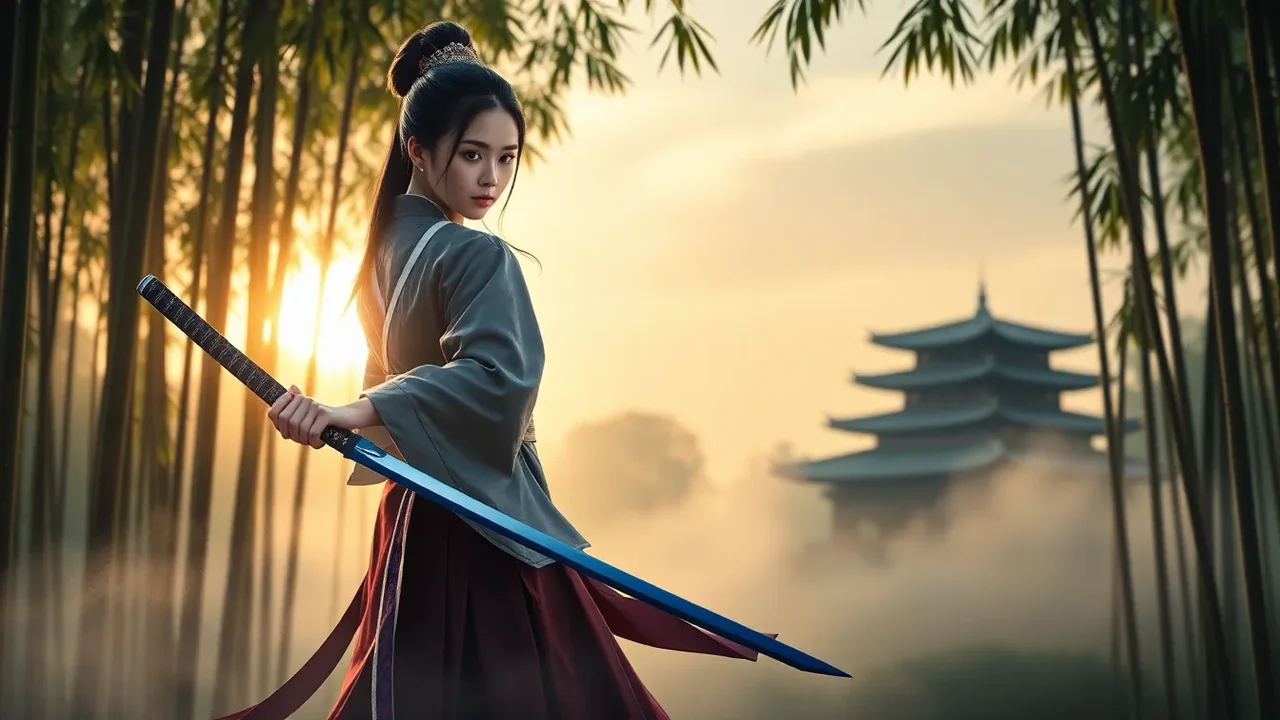
Historical K-drama novels, often set during dynasties like Joseon or Goryeo, weave intricate tales where martial arts are not merely action sequences but cultural symbols. These novels draw from traditional Korean martial arts such as Taekkyeon, Ssireum, and Gungdo (archery), blending them with fictional techniques that serve character development and plot progression. Writers meticulously research historical records to ensure authenticity, though they often embellish abilities to heighten drama. For example, a protagonist might master the Palgwe (eight trigrams) style, inspired by Taoist philosophy, to unlock hidden potential. The martial arts in these novels reflect the social hierarchy: elite scholars practice refined sword forms, while commoners rely on practical grappling. Understanding these roots helps readers appreciate the depth behind every clash.
Common Martial Arts Styles in Novels
Below is a table comparing the most frequently depicted martial arts in historical K-drama novels, detailing their origins, typical practitioners, and narrative roles.
| Style | Historical Origin | Typical Practitioner | Narrative Role |
|---|---|---|---|
| Taekkyeon | Joseon Dynasty | Commoners, vagabonds | Underdog hero's foundation |
| Gungdo (Archery) | Goguryeo era | Military officers, scholars | Precision, honor, long-range tactics |
| Geomdo (Swordsmanship) | Goryeo–Joseon | Nobles, royal guards | Dueling, political intrigue |
| Gwonbeop (Fist art) | Ancient Korea | Monks, rebels | Brute strength, rebellion |
| Ssireum (Wrestling) | Prehistoric Korea | Peasants, soldiers | Grappling, festival contests |
Character Archetypes and Their Martial Philosophies
Martial arts in historical K-drama novels often define character morality. The righteous hero adheres to a code influenced by Confucian virtues—benevolence, righteousness, propriety—while the vengeful anti-hero uses forbidden techniques to settle scores. For instance, a character trained in Hwarang (ancient warrior group) disciplines embodies loyalty and sacrifice. In contrast, a shadow assassin may employ poison-dipped needles or pressure-point strikes derived from traditional acupuncture theories. The novels frequently explore the tension between internal energy (Qi) and external technique. A master might teach channelling Gi through meditation, enabling feats like running on water or breaking stone. This mystical layer distinguishes Korean martial arts fiction from purely physical combat narratives.
- Taekkyeon practitioners – Flexible footwork, trip techniques, often outmatched in raw strength.
- Archers – Patient, perceptive, their battles are psychological.
- Swordsmen – Formal stances, duel etiquette, honour-bound.
- Bare-handed rebels – Use environment, improvised weapons.
- Healers-turned-fighters – Apply acupuncture points for paralysis or healing during combat.
Plot Devices Driven by Martial Arts
Martial arts are central to key plot devices in historical K-drama novels. The secret technique trope—a hidden manual lost for centuries—drives quests. For example, the Cheongpung Sword Art might require unlocking three gates of energy, each requiring a specific virtue. Duels often serve as climactic moments where political alliances shift. Training sequences occupy entire chapters, describing repetitive forms (pumsae) that mirror the protagonist's inner growth. The tournament arc is common, where different schools compete for imperial favour. These tournaments allow authors to showcase diverse styles: a Buddhist monk uses non-violent deflection, while a Military official wields a spear with devastating thrusts. Additionally, poison and medicine intertwine with martial arts; a character may develop immunity through years of exposure, becoming immune to assassination attempts.
Practical Information for Novelists
Aspiring writers can incorporate martial arts authentically by studying historical accounts. The Muyejebobeop (17th-century Korean martial arts manual) provides detailed illustrations of weapons like the jangchang (long spear) and hwandudaedo (ring-pommel sword). Use these real-world foundations and then add fictional enhancements. For example, a character could master the 24-dan sword pattern, each move corresponding to a season. Also, consider the impact of armour: during the Joseon period, commoners wore padded jackets, while officers had chainmail. Fight choreography should reflect the weight and restricted movement. Research the Hwarang code—a historical honour system that many novels adapt into a moral backbone. Practical tips: balance realism with excitement; let martial arts reveal personality (a quick-tempered hero may favour aggressive kicks, while a calculating one uses counter moves).
Representation of Female Martial Artists
Historical constraints often limited women's role in combat, but K-drama novels subvert this with gisaeng (entertainers) or warrior women trained in secret. For example, a noblewoman may learn geomdo disguised as a man, or a shaman uses martial dancing that incorporates spinning strikes. Female characters frequently rely on speed and agility rather than brute force, utilising daggers, fans, or ribbons as weapons. The ssireum style is rarely shown for women, but some novels feature female wrestlers in underground matches. These portrayals challenge patriarchal norms while staying plausible within historical settings. The chivalric love trope often involves mutual teaching: the male lead learns emotional control from the female lead's graceful swordwork, while she gains strength from his grappling techniques.
Symbolism and Philosophy Behind the Forms
Every martial arts move in these novels carries symbolic weight. The plum blossom stance represents resilience; crane posture symbolises longevity. Philosophically, many novels integrate yin-yang theory: a dark technique must be balanced with a light one to avoid corruption. The concept of mu (무)—the Korean prefix for martial—often appears as a character's path to enlightenment. Training is meditation; combat is dialogue. For instance, in a famous novel, the protagonist's Bongryeong Sword technique requires emptying the mind, akin to Zen thought. These layers make reading historical K-drama novels intellectually rewarding.
Influence of Real Historical Figures
Characters inspired by actual warriors like General Yi Sun-sin or King Sejong bring authenticity. Yi Sun-sin's tactical genius using the turtle ship is sometimes translated into naval martial arts sequences. King Sejong's invention of Hangul is paralleled by a martial code written in the alphabet. Nobles who studied Confucian classics also trained in archery (one of the six arts). Novels may feature a prince who masters both poetry and swordsmanship, embodying the ideal moonlight warrior archetype. By grounding martial arts in real history, authors enhance believability even when adding magical elements like Qi projection.
Detailed Example: The Art of the Spear
To illustrate, consider the spear (chang) used by Joseon infantry. A novel might describe the Ssangsugeom (two-handed sword) counter, but the spear's range and versatility are often underestimated. A character trained in dangpa (triple-pronged spear) can hook an opponent's weapon. The table below contrasts spear techniques with other polearms.
| Weapon | Technique | Advantage | Disadvantage |
|---|---|---|---|
| Dangpa (trident) | Thrust, hook, block | Versatile against armour | Heavy, slow recovery |
| Jangchang (long spear) | Thrust, sweeping | Reach, cavalry defence | Vulnerable in close combat |
| Gichang (flag spear) | Slash, trap | Intimidation, psychological | Flag can catch wind |
Spear techniques often feature in novel training montages where the protagonist learns to feel the weapon's balance through repetitive thrusts at straw dummies. The author might include a scene where the hero defeats a swordsman by exploiting the spear's reach, then switches to a dagger when the spear shaft is broken—showcasing adaptability.
Modern Adaptations and Fan Reception
Fans of historical K-drama novels often seek out real martial arts demonstrations after reading. Online communities dissect fight scenes for historical accuracy. Some novels are adapted into K-dramas, where choreographers blend Taekwondo kicks with traditional stances. The cross-media influence means that novelists now include detailed fight choreography to aid visualisation. Social media hashtags like #KdramaMartialArts trend when a new series premieres. This interactive loop keeps the genre vibrant and educational.
Creating Your Own Martial Arts System
If you're writing a historical K-drama novel, design a martial art with a unique name, philosophy, and weakness. For example, Shadow Moon Style relies on leg sweeps at night but falters in daylight. Include a list of basic moves:
- Moon Crescent Kick – Low spin kick targeting shins.
- Eclipse Palm – Quiet strike to solar plexus.
- Twilight Parry – Deflect with forearm, then elbow.
- Starfall Stance – Low centre, ready for throw.
Ensure the system reflects historical elements: use Korean terminology for body parts (e.g., jeon for forehead, ap for front). Tie the system to the protagonist's emotional arc—learning the final technique requires forgiving a past betrayal. This deep connection elevates the story from simple action to character-driven drama.
Conclusion of the Content Section (as per instructions no separate introduction/conclusion, so ending here)
FAQ - Exploring the Martial Arts in Historical K-Drama Novels
What real Korean martial arts are most commonly featured in historical K-drama novels?
The most common are Taekkyeon (footwork and tripping), Gungdo (archery), Geomdo (swordsmanship), and Ssireum (wrestling). These are often blended with fictional techniques inspired by Taoist energy concepts.
How do authors ensure martial arts scenes feel authentic?
They research historical manuals like the Muyejebobeop, study traditional stances, and balance realism with drama. Many also consult martial arts historians or attend demonstrations to capture accurate movements and weapons.
Are female martial artists historically accurate in these novels?
While actual Joseon women rarely fought in combat, novels creatively depict gisaeng, shamans, or disguised noblewomen training in secret. This allows for empowerment themes while remaining plausible within the setting.
What role does internal energy (Qi/Gi) play in these stories?
Gi is often a mystical force that enhances physical abilities, such as jumping great heights or breaking objects. It is tied to philosophical concepts of balance and meditation, adding a spiritual layer to combat.
Can I learn real martial arts from reading these novels?
No, novels exaggerate for entertainment. However, they can spark interest; readers often seek out real Taekkyeon or Ssireum classes after enjoying the fictional portrayals. The descriptions of forms are stylised, not instructional.
How do martial arts reflect a character's personality in these novels?
Fighting styles mirror personality: a hot-headed hero uses aggressive kicks, a patient scholar favours precise archery, and a cunning anti-hero employs stealthy strikes. The choice of weapon and technique is a storytelling tool.
Historical K-drama novels richly incorporate Korean martial arts such as Taekkyeon, Gungdo, and Geomdo, blending authentic traditions with fictional techniques. These stories use martial arts for character development, plot devices, and philosophical symbolism. The genre balances historical accuracy with dramatic embellishment, exploring themes of honour, energy (Gi), and female empowerment. Readers can discover real cultural roots while enjoying epic adventures.
Historical K-drama novels offer a rich tapestry where martial arts transcend mere action, becoming vehicles for cultural expression, character growth, and philosophical exploration. By blending authentic Korean traditions with imaginative flair, these stories invite readers to appreciate the discipline, symbolism, and artistry behind every kick and sword stroke. Whether you are a writer seeking inspiration or a fan eager to understand the deeper layers, the martial arts in these narratives provide endless fascination.