The Anatomy of the Enemies to Lovers Trope
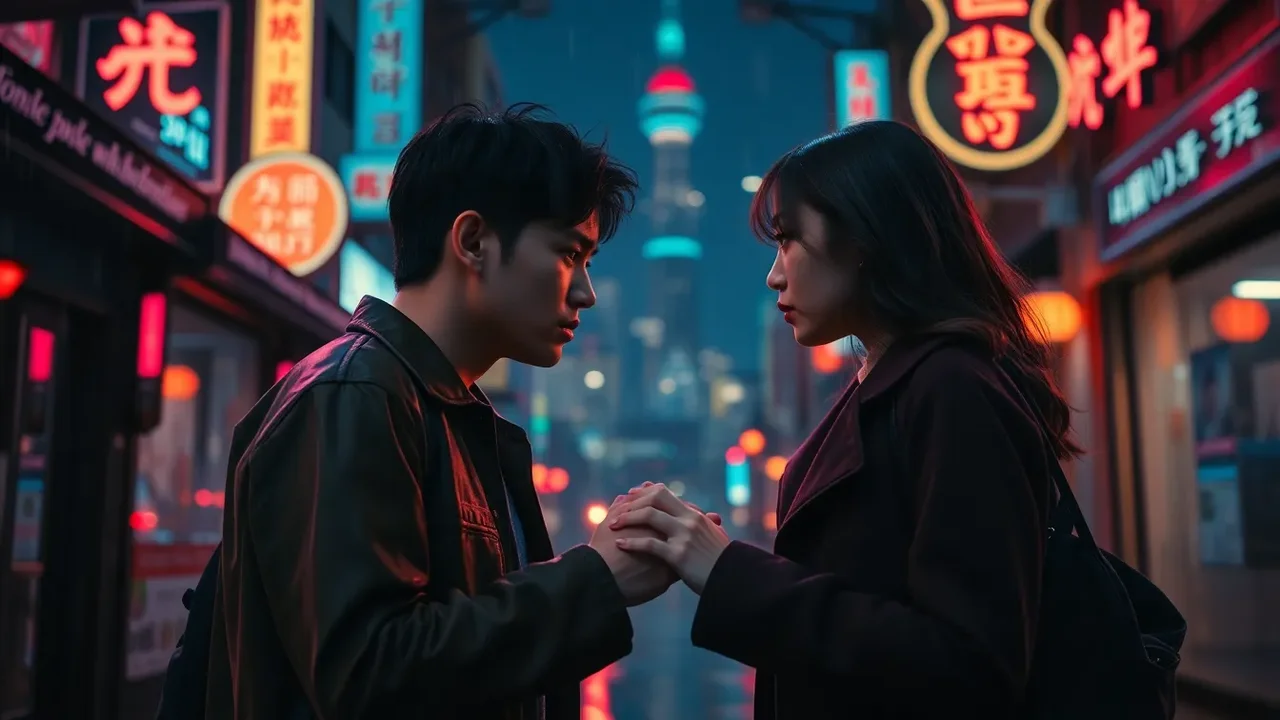
The enemies to lovers trope stands as one of the most beloved narrative arcs in Korean drama. It thrives on the combustible chemistry between two characters who start as adversaries—whether through professional rivalry, personal grudges, or misunderstandings—and gradually transform into passionate partners. This journey from hostility to intimacy taps into universal emotions: the thrill of conflict, the satisfaction of vulnerability, and the catharsis of reconciliation. In K-dramas, this trope is often amplified by cultural nuances, such as the importance of social hierarchy, family obligations, and the slow-burn romance that respects traditional values while pushing boundaries. The structure typically follows a pattern: initial antagonism, forced proximity (often through work or family), moments of unexpected kindness, a gradual thawing of defenses, a pivotal crisis that forces honesty, and finally a heartfelt confession. What makes it so addictive is the tension—the electric push-and-pull that keeps viewers on the edge of their seats, wondering when the next glance or accidental touch will spark a breakthrough.
Why This Trope Resonates So Deeply
The enduring appeal of enemies-to-lovers lies in its psychological depth. Audiences love seeing characters grow, and there is no greater transformation than from hate to love. It mirrors real-life relationships where initial impressions can be misleading, and understanding requires time and effort. In a K-drama context, this trope often serves as a vehicle for exploring deeper themes: forgiveness, self-discovery, and the dismantling of prejudices. Viewers invest in the journey because they witness the characters’ vulnerabilities—the hidden wounds that made them enemies in the first place. The slow reveal of backstories, the shared secrets, and the gradual trust-building create a rich emotional tapestry. Moreover, the trope satisfies our desire for redemption arcs. When a cold CEO or a sharp-tongued lawyer sheds their armor for love, it feels earned. The tension also provides a safe space for romantic fantasy: the idea that even the most bitter conflict can be resolved with enough patience and heart. In a world that often feels polarized, these dramas offer hope that understanding can bridge any divide.
Key Ingredients for a Perfect Enemies to Lovers Story
Not all enemies-to-lovers arcs are created equal. The most memorable ones share common elements that elevate them from cliché to classic. First, a compelling reason for the initial hostility. It cannot be petty; it must stem from a deep-seated conflict—perhaps a family feud, a professional betrayal, or a misunderstanding that caused real harm. Second, forced proximity is essential. Whether they are co-workers, neighbors, or tied by a contract, the characters must be thrown together repeatedly, allowing small cracks in their animosity to appear. Third, moments of vulnerability where one character sees the other in a raw, unguarded state—a tear, a kind gesture, a sacrifice. Fourth, a slow burn that avoids rushed confessions. The best K-dramas stretch the tension across multiple episodes, using subtle gestures like lingering glances, accidental touches, and protective instincts. Fifth, a turning point where the enemy must choose between continuing the feud or protecting the other. This often involves a crisis that forces them to work together, revealing their true character. Sixth, communication breakthroughs where past misunderstandings are clarified, often through heartfelt conversations or letters. Finally, a satisfying resolution that doesn't erase the initial conflict but shows how love has transformed both parties. The table below compares how different K-dramas implement these ingredients.
| K-Drama | Initial Conflict | Forced Proximity | Turning Point | Resolution Style |
|---|---|---|---|---|
| Crash Landing on You | North-South political divide, accidental crossing | Living together in North Korea | He risks his life to protect her | Bittersweet but hopeful reunion |
| What's Wrong with Secretary Kim | Cold CEO vs. efficient secretary; childhood trauma | Daily work interactions | She resigns, he realizes love | Grand romantic confession and wedding |
| Her Private Life | Curator vs. fan site manager; professional rivalry | Working on same gallery project | He discovers her secret identity | Acceptance and mutual support |
| Love in the Moonlight | Gender disguise leads to conflict with crown prince | Palace duties and secret keeping | He discovers she is a woman | Royal approval and happy ending |
Iconic K-Dramas That Mastered the Trope
Several K-dramas have become benchmarks for the enemies-to-lovers trope, each bringing a unique flavor. Crash Landing on You (2019) is a standout, blending geopolitical tension with romance. The protagonists—a South Korean heiress and a North Korean officer—start as captor and captive, but their forced cohabitation in the North reveals mutual respect and deep affection. The drama excels at showing how love can transcend ideological boundaries. What's Wrong with Secretary Kim (2018) offers a lighter, office-based version. The narcissistic CEO Lee Young-joon and his long-suffering secretary Kim Mi-so have a history of childhood trauma that fuels their dynamic. Their journey from employer-employee to lovers is marked by hilarious bickering and poignant revelations. Her Private Life (2019) flips the script: a talented curator and a secret fan-site operator clash professionally, but their shared passion for art and K-pop fandom becomes a bridge. The drama celebrates authenticity and the idea that enemies can become each other's biggest cheerleaders. Love in the Moonlight (2016) is a historical gem where a cross-dressing woman and a crown prince start as teacher-student (with hidden identities) and evolve through palace intrigue. The trope is enriched by period constraints, making every stolen glance and secret meeting more charged. Each of these dramas demonstrates that the best enemies-to-lovers stories are those where the initial conflict is meaningful, the characters are complex, and the love feels earned.
The Evolution of Conflict to Affection: A Step-by-Step Breakdown
Understanding the narrative mechanics can deepen appreciation. The journey typically unfolds in these stages:
- Stage 1: The Spark of Antagonism – The first meeting is laced with misunderstanding or outright hostility. The characters form a negative impression that sets the tone for early episodes.
- Stage 2: Forced Interaction – Circumstances (work, family, fate) keep them in each other's orbit. They engage in verbal sparring, small sabotage, or cold avoidance. Viewers enjoy the witty banter and tension.
- Stage 3: Cracks in the Armor – A moment of vulnerability—an accident, a lost item, a shared crisis—reveals a softer side. One character performs an unexpected kindness, causing the other to question their assumptions.
- Stage 4: Growing Curiosity – The enemy becomes fascinating. They start noticing small details, defending each other to outsiders, and feeling jealousy when a third party appears. The internal conflict heightens.
- Stage 5: The Turning Point – A major event forces them to choose sides. Often, one character sacrifices something important for the other, leading to a heartfelt apology or confession. This is the emotional climax.
- Stage 6: Mutual Acceptance – They acknowledge their feelings, but external obstacles remain. The drama explores how they navigate family disapproval, social pressure, or personal insecurities.
- Stage 7: The Happy Ending – Love wins. The initial enemies are now partners, having grown through the conflict. The final scenes often show them laughing at their past animosity, celebrating how far they've come.
This structure is not rigid; variations exist, such as when the enemies start as childhood friends who later become rivals, or when one character secretly harbors a crush while pretending to hate. The key is maintaining emotional authenticity. Practical tips for writers aiming to craft this trope include: establish clear stakes for the conflict, give both characters valid reasons for their hostility, use physical proximity (shared office, living space) to create tension, and never resolve the conflict too easily—let the audience yearn for the reconciliation.
Why We Keep Coming Back for More
The enemies-to-lovers trope is a staple of K-dramas because it mirrors the human experience of growth through adversity. In a genre that often relies on fantasy and escapism, this trope grounds the romance in real emotional work. It reminds us that love is not always easy; it requires confronting our biases, forgiving past hurts, and being vulnerable. The best K-dramas use this trope to explore societal issues—class divides, family expectations, trauma—while delivering the heart-fluttering moments we crave. Whether it's the icy CEO who melts for his secretary, the rival lawyers who find common ground, or the historical figures who overcome political enmity, the journey from enemies to lovers remains a testament to the transformative power of understanding and connection. The table above and the list of stages provide a framework for analyzing any drama that employs this trope, helping viewers appreciate the craft behind their favorite stories.
FAQ - From Enemies to Lovers: K-Drama Tropes We Adore
What makes the enemies-to-lovers trope so popular in K-dramas?
The trope thrives on emotional tension, character growth, and the satisfying payoff of conflict resolution. K-dramas amplify this with cultural nuances like slow-burn romance, forced proximity, and redemption arcs, making viewers invested in the characters' journey from hostility to deep affection.
Which K-dramas are considered the best examples of enemies to lovers?
Top examples include 'Crash Landing on You' (political enemies), 'What's Wrong with Secretary Kim' (employer-employee rivalry), 'Her Private Life' (professional competition), and 'Love in the Moonlight' (historical gender disguise). Each showcases unique twists on the trope.
How do K-dramas avoid making the enemies-to-lovers trope feel cliché?
They ground the initial conflict in meaningful stakes (family feuds, trauma, societal barriers) and develop characters with depth. The slow burn, vulnerability moments, and genuine communication breakthroughs prevent the trope from feeling formulaic.
What are the key stages in a typical enemies-to-lovers K-drama arc?
Stages include: initial antagonism, forced interaction, cracks in armor, growing curiosity, a turning point sacrifice, mutual acceptance, and a happy ending. Variations exist, but the emotional progression remains consistent.
Can the enemies-to-lovers trope work in non-romantic genres?
While primarily romantic, the trope can appear in thriller or family dramas as a subplot. However, its core appeal lies in the romantic resolution, so it's most effective when romance is central.
Why do viewers enjoy seeing characters change from enemies to lovers?
It reflects real-life growth—overcoming prejudice and misunderstanding. The transformation feels earned, and the emotional payoff is heightened by the initial conflict. It offers hope that love can bridge even the deepest divides.
The enemies-to-lovers trope in K-dramas transforms initial hostility into deep romance through forced proximity, vulnerability, and slow-burn development. Iconic examples like 'Crash Landing on You' and 'What's Wrong with Secretary Kim' showcase this emotional journey, making it a fan favorite for its satisfying character growth and tension.
The enemies-to-lovers trope in K-dramas remains a cherished narrative device because it encapsulates the beauty of human transformation. Through carefully crafted conflict, vulnerability, and redemption, these stories remind us that love often blooms in the most unexpected soil. Whether set in modern offices or historical palaces, the journey from animosity to affection resonates universally, offering both entertainment and a profound lesson in empathy. As long as K-dramas continue to explore the delicate dance between hate and love, audiences will keep falling for this timeless trope.
