The Art of the Webtoon-to-Drama Pipeline
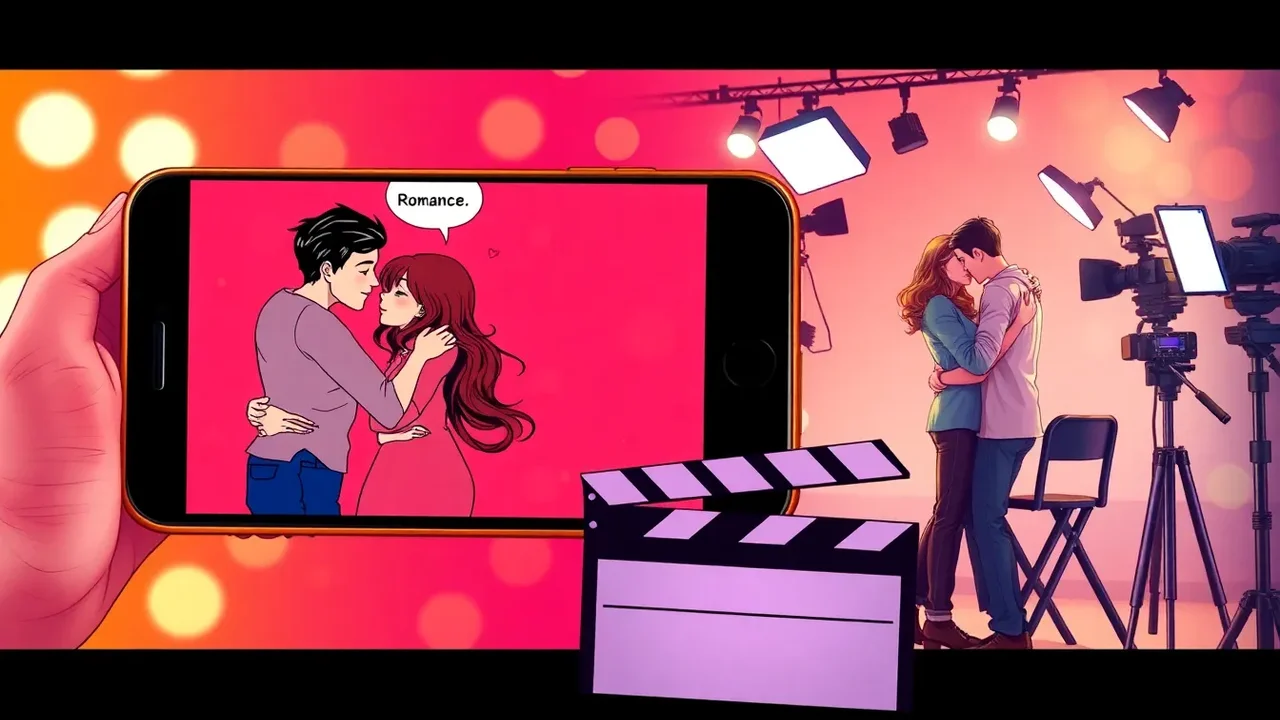
In the last decade, the South Korean entertainment industry has engineered a remarkable pipeline: the adaptation of webtoons—digital comics designed for vertical scrolling—into full-fledged television series. While the trend spans multiple genres, it is the romance genre that has consistently delivered some of the most satisfying and emotionally resonant adaptations. But what exactly makes a romance webtoon adaptation 'done right'? It is not merely about casting attractive actors or recreating iconic panels. The success lies in a delicate balance of fidelity to the source material, thoughtful expansion of narrative, and a deep understanding of the medium's differences. This article explores the key elements that define successful romance webtoon adaptations, offering insights into the creative and practical decisions that separate triumphs from disappointments.
Understanding the Webtoon Medium: A Unique Narrative Language
Webtoons are not simply comics that happen to be digital. They are designed for a vertical, scroll-driven reading experience, often with a single column of panels that unfold like a cinematic long take. This format influences pacing, humor, and emotional beats. Romance webtoons, in particular, rely heavily on internal monologue, exaggerated facial expressions for comedic or dramatic effect, and the 'cutting' between wide establishing shots and extreme close-ups to convey emotional shifts. When adapting such a text to a screen format, showrunners must translate this visual language into the grammar of television—using music, editing, and actor performance to recreate the intimate, subjective feeling of reading a webtoon. A common misstep is to treat the webtoon merely as a storyboard, resulting in a shallow, panel-by-panel retread that lacks the breathing room of a well-paced episode.
Key Pillars of a Successful Romance Adaptation
Several factors consistently appear in acclaimed romance adaptations. These are the pillars that, when executed well, create a sense of authenticity and emotional investment.
- Fidelity with Expansion: The best adaptations respect the source material's core story and character relationships but are not afraid to expand secondary characters' arcs or add subplots that enrich the main narrative. For instance, the hit series True Beauty expanded the backstories of the two male leads, giving them more depth and making the love triangle more compelling than in the original webtoon.
- Casting as Chemistry, Not Just Likeness: Visual resemblance to the webtoon characters is often the first thing fans notice, but it is the off-screen chemistry and the actors' ability to embody the characters' souls that truly matters. The casting of Park Bo-young and Park Hyung-sik in Strong Girl Bong-soon worked because both actors brought contrasting energies that made the superhuman romance feel grounded and hilarious.
- Visual and Musical Identity: A memorable soundtrack is non-negotiable for a romance drama. The right OST (Original Soundtrack) can elevate a simple scene into an iconic moment. Similarly, the production design—from the color palette to the characters' wardrobes—must reflect the webtoon's aesthetic while feeling natural on screen. The use of bright, pastel tones in What's Wrong with Secretary Kim mirrors the webtoon's glossy art style.
- Pacing That Respects the Genre: Romance webtoons often have long, meandering storylines with many 'will-they-won't-they' moments. An adaptation must condense this into a 16-episode structure without losing the essence of the slow-burn romance. The key is to know when to accelerate, when to pause for a kiss scene, and when to introduce conflict. Crash Landing on You (though not a webtoon adaptation, its structure is similar) demonstrates how a slow-burn romance can be perfectly paced across a series.
- Respecting the Fans' Investment: Webtoon readers are a passionate and vocal community. They have spent months or years following the story. A successful adaptation acknowledges this investment by including subtle references, iconic quotes, or even cameos by the original artist. This builds goodwill and signals that the creators are not just cashing in on a property but genuinely care about the source material.
Case Studies: When Adaptations Soar
Examining specific examples helps to illustrate the principles of a successful adaptation. These series are often cited as benchmarks for the industry.
| Drama Title | Original Webtoon | Key Success Factor | Notable Changes |
|---|---|---|---|
| True Beauty | Yaongyi | Hilarious yet heartfelt portrayal of beauty standards; perfect casting of Moon Ga-young and Cha Eun-woo. | Expanded the male lead's backstory, gave more depth to the second male lead's family issues. |
| What's Wrong with Secretary Kim | Jeong Gyeong-yun | Rom-com gold with a strong, confident female lead; the chemistry between Park Seo-joon and Park Min-young was electric. | Added a childhood trauma subplot that wasn't in the original to give the male lead more emotional depth. |
| Business Proposal | Haehwa | Self-aware, trope-savvy script that leaned into the absurdity of the contract relationship; excellent supporting cast. | Condensed several side plots, but kept the core humor and emotional beats intact. Added a second lead couple that fans loved. |
| Nevertheless | Jeon Se-rin | Moody, realistic depiction of a 'no-strings-attached' relationship; the cinematography and OST created a dreamy, melancholic atmosphere. | Changed the ending to be more ambiguous, which was controversial but also sparked deep discussions about the nature of the story. |
The Pitfalls to Avoid
Just as there are successful adaptations, there are numerous examples of what not to do. Recognizing these pitfalls is crucial for any future adaptation.
- Over-Stuffing the Plot: Trying to cram every single chapter of a webtoon into a 16-episode drama often results in a rushed, incoherent narrative. The story needs to breathe, and subplots that work in a serialized format may not translate to a binge-watching environment.
- Diluting the Lead's Personality: In many romance webtoons, the female lead is often quirky, unpredictable, or even unlikable at times. Adaptations sometimes 'soften' these edges to make the character more traditionally 'likeable', which strips away the very qualities that made her compelling. The drama My ID is Gangnam Beauty faced this criticism, though it still managed to deliver a strong message.
- Ignoring the Source Material's Ending: Webtoons often have open-ended or multiple endings. When a drama changes the ending to force a happy-ever-after, it can alienate the original fanbase. The Lady and Her Butler (a lesser-known adaptation) is a prime example of a drama that diverged so far from the webtoon's nuanced ending that it felt like a betrayal to readers.
- Poor Production Values: Romance relies heavily on atmosphere. Cheap special effects, poor lighting, or bad styling can instantly kill the illusion. The fantasy elements in a webtoon like The Legend of the Blue Sea (though based on a folklore, not a webtoon) require a budget that not all productions can afford, leading to jarring visual effects.
The Role of International Markets and Streaming
The rise of streaming platforms like Netflix, Viki, and iQIYI has supercharged the webtoon-to-drama trend. These platforms not only provide a global audience but also influence the adaptation process. International viewers bring their own expectations, and successful adaptations often include subtitles that capture cultural nuances, making the story accessible without losing its Korean flavor. Moreover, streaming data allows producers to understand which tropes resonate globally, leading to more informed creative decisions. For example, the global success of Crash Landing on You (again, not a webtoon but a similar source material) showed that international audiences crave a mix of romance, comedy, and high-stakes drama. This has encouraged producers to greenlight webtoons with similar narrative structures.
Practical Tips for Aspiring Showrunners
For those looking to adapt a romance webtoon, there are several practical steps to ensure the project honors the source material while succeeding as a standalone drama.
- Hire a Writer Who Loves the Webtoon: The writer should have a deep, almost obsessive knowledge of the source material. They should be able to quote dialogue and understand the characters' motivations on a granular level. This doesn't mean they can't deviate, but they must know what they are deviating from.
- Create a 'Webtoon Bible': A comprehensive document that outlines every character's arc, key plot points, visual motifs, and the overall tone. This serves as a reference for the entire production team, from the director to the costume designer.
- Conduct Fan Auditions or Consultations: While not always feasible, involving the fanbase in the early stages (e.g., through surveys or focus groups) can provide valuable insights. However, this should be done carefully, as fans are not always representative of the general audience.
- Use the Webtoon's Format to Your Advantage: The vertical scrolling format can inspire creative shot composition. For example, a scene that mimics the slow scroll down a character's face can be recreated with a slow dolly zoom, adding a unique visual signature to the drama.
- Plan for Multiple Seasons: Many romance webtoons have enough material for more than one season. Instead of trying to wrap everything up in a rush, showrunners should consider a multi-season arc that allows for more detailed character development.
The Future of Romance Adaptations
As the genre evolves, we are seeing more experimental adaptations. Some are embracing the 'webtoon format' by including animated sequences or motion comics within the live-action drama. Others are casting actors who are not typical 'visuals' but who possess the acting chops to convey the emotional depth of the characters. The success of these ventures will depend on the industry's willingness to take risks and trust the source material. The key takeaway is that a successful adaptation is not a photocopy; it is a translation. It captures the essence of the story—the emotions, the themes, the character dynamics—and re-expresses them in the language of television. When done right, it can introduce the webtoon to a wider audience and deepen the appreciation of existing fans. The romance genre, with its universal themes of love, longing, and self-discovery, is perfectly suited for this alchemical process.
FAQ - From Webtoon to Screen: Romance Adaptations Done Right
What makes a romance webtoon adaptation successful?
A successful romance webtoon adaptation balances fidelity to the source material with creative expansion for the screen. It involves casting actors with strong chemistry, preserving the characters' core personalities, using music and visuals to enhance emotional beats, and pacing the story to fit a drama format. It also respects the fans' investment by including key moments and subtle references.
Why do some webtoon adaptations fail to resonate with audiences?
Adaptations often fail when they over-stuff the plot, dilute the lead's unique personality, ignore the source material's ending, or have poor production values. Rushing the story or making characters more 'likeable' at the expense of their complexity can also alienate both fans and new viewers.
How important is casting in a romance webtoon adaptation?
Casting is crucial. While visual resemblance to the webtoon characters helps, the actors' chemistry and their ability to convey the characters' emotional journey is more important. A good casting choice can make the romance feel believable and compelling, while a poor one can sink the entire production.
Can a webtoon adaptation be better than the original?
Yes, absolutely. When a showrunner understands the source material's essence but also knows how to improve pacing, deepen secondary characters, or address plot holes, the adaptation can surpass the original. Examples like 'True Beauty' and 'Business Proposal' have been praised for expanding on the webtoon's strengths.
What role does the soundtrack play in a romance adaptation?
The soundtrack is a powerful tool. A well-chosen OST can heighten emotional moments, signal character development, and become iconic in its own right. It helps to create a cohesive mood and can make scenes more memorable, often becoming a key reason why fans rewatch the drama.
Are there any common tropes in romance webtoons that translate well to screen?
Yes, tropes like enemies-to-lovers, contract relationships, childhood connections, and love triangles often translate well because they provide built-in dramatic tension. However, the best adaptations subvert or deconstruct these tropes to keep the story fresh, as seen in 'Nevertheless'.
From Webtoon to Screen: Romance Adaptations Done Right explores the key elements of successful Korean drama adaptations of romance webtoons. It highlights the importance of balancing fidelity with expansion, casting actors with chemistry, using music and visuals effectively, and avoiding common pitfalls like over-stuffing the plot. Through case studies like 'True Beauty' and 'Business Proposal,' it offers practical tips for showrunners and emphasizes that a great adaptation translates the story's emotional essence, not just its plot, to the screen.
In the ever-evolving landscape of entertainment, the adaptation of romance webtoons to screen is a delicate art form that requires a deep respect for the source material and a bold vision for the new medium. The most successful adaptations, from True Beauty to Business Proposal, share a common thread: they understand that the heart of the story lies not in the panels or the pixels, but in the emotional truth of the characters' journeys. They honor the webtoon's unique charm while embracing the cinematic possibilities of television. As the industry continues to grow, one thing remains clear—when done right, these adaptations do more than just satisfy fans; they create new ones, proving that love, in any format, always finds a way to connect.