The Slow Burn: Patience as a Romantic Virtue
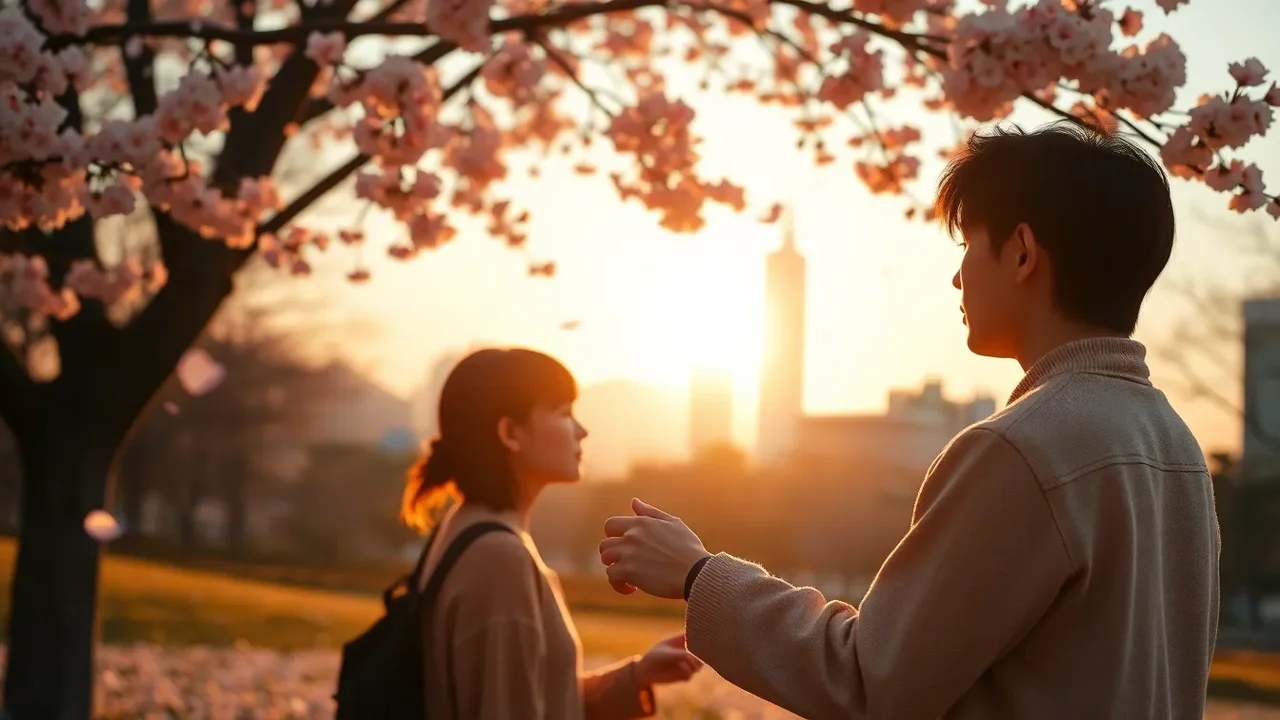
In stark contrast to the instant-gratification culture of modern dating, K-drama romances champion the slow burn. Relationships unfold over episodes, sometimes seasons, allowing viewers to savor every glance, accidental touch, and unspoken confession. This narrative choice redefines modern love by emphasizing that genuine connection requires time. For example, in Crash Landing on You, the romance between Yoon Se-ri and Captain Ri develops over months of shared danger and quiet moments, not through rushed physical intimacy. The slow pacing teaches audiences that patience is not a sign of disinterest but a foundation for deeper emotional bonds. Practically, this encourages viewers to resist the pressure of immediate romantic validation and instead invest in getting to know a partner gradually.
Emotional Depth Over Physical Intimacy
K-dramas prioritize emotional intimacy over physical scenes, often building tension through meaningful conversations and subtle gestures. A simple umbrella sharing, a hand reaching out, or a long stare can carry more weight than explicit encounters. This redefinition challenges the notion that modern love must be sexually charged to be valid. For instance, in What's Wrong with Secretary Kim, the lead couple’s romance blossoms through professional collaboration and childhood memories, not through bedroom scenes. This approach encourages audiences to value empathy, vulnerability, and emotional availability as core components of love. It also provides a blueprint for those who feel alienated by hookup culture, proving that slow emotional connection can be deeply satisfying.
Consent and Respect: New Norms in Romantic Interactions
K-dramas increasingly depict clear consent and respect for boundaries, redefining how love should be pursued. Male leads often ask permission before initiating physical contact, respect when their partner says no, and prioritize their partner’s comfort. In Hometown Cha-Cha-Cha, Hong Du-sik repeatedly checks in with Yoon Hye-jin, ensuring she feels safe and heard. This portrayal sets a new standard for modern relationships, where consent is not just about sex but about every small interaction. Practical implications include teaching viewers to communicate openly about desires and limits, dismantling the myth that love requires persistence in the face of refusal. The K-drama approach normalizes the idea that love is a partnership of equals, not a conquest.
Grand Gestures Versus Everyday Acts of Love
While Western media often glorifies grand romantic gestures—like running through airports or public declarations—K-dramas balance the spectacular with the mundane. A character might prepare a home-cooked meal, leave a sticky note, or walk their partner home every day. This duality redefines modern love by showing that consistent, small acts form the bedrock of lasting relationships. In Our Beloved Summer, the leads reconnect over shared grocery runs and late-night chats, proving that love is not just about fireworks but about showing up daily. The table below contrasts traditional Western tropes with K-drama redefinitions:
| Traditional Western Tropes | K-Drama Redefinition |
|---|---|
| Love at first sight, instant passion | Love develops through shared experiences and time |
| Physical intimacy as primary goal | Emotional intimacy as the foundation |
| Pursuit despite repeated rejection | Respect for boundaries and explicit consent |
| Public grand gestures as proof of love | Everyday acts of care as proof of commitment |
| Individualism: love against all odds | Community and family integration in love |
This shift encourages viewers to appreciate the quiet, consistent efforts that sustain relationships. Practical advice includes recognizing when a partner is investing in daily routines rather than waiting for a dramatic moment.
Friendship as the Foundation of Romance
K-dramas frequently build romantic relationships on a strong friendship base. The couple often starts as colleagues, neighbors, or even rivals who develop a deep platonic bond before realizing their feelings. This redefinition of modern love highlights that the best romantic partners are also best friends. In Fight For My Way, the leads go from childhood friends to lovers, their romance enriched by years of inside jokes and mutual support. This model teaches audiences to seek partners with whom they can share hobbies, laugh openly, and resolve conflicts without drama. It also reduces the pressure to immediately label every friendly connection as potential romance, allowing relationships to evolve naturally.
Overcoming Societal Expectations Together
Modern love in K-dramas often involves challenging societal norms—class differences, parental disapproval, career conflicts, or age gaps. Characters work together to overcome these obstacles, redefining love as a team effort rather than a solitary pursuit. For example, in Business Proposal, the couple navigates a fake identity and family pressure while supporting each other’s ambitions. This narrative encourages real-life couples to view external challenges as opportunities to strengthen their bond rather than as reasons to break up. Practical takeaways include open communication about family expectations, financial planning, and career support. The following list summarizes key elements that redefine modern love through K-drama:
- Slow pacing that values patience and gradual connection.
- Emotional intimacy prioritized over physical contact.
- Clear consent and respect for personal boundaries.
- Everyday acts of love as meaningful as grand gestures.
- Friendship as the foundation for romantic relationships.
- Collaborative problem-solving to overcome societal hurdles.
The Role of Vulnerability and Communication
K-drama characters frequently express their fears, past traumas, and insecurities to their partners, often through heartfelt monologues or quiet confessions. This vulnerability redefines modern love by destigmatizing emotional openness, especially for male characters. In It's Okay to Not Be Okay, the male lead admits his anxiety and asks for help, breaking the stoic hero stereotype. This encourages viewers to embrace their own emotional fragility and to foster relationships where both parties feel safe to be themselves. Practically, it means creating a relationship culture where feelings are shared without shame, and partners listen without judgment. The K-drama romance teaches that love is not about being perfect but about being honest.
Redefining Happily Ever After
Unlike traditional fairy tales that end with marriage, many K-dramas depict love after the happy ending—couples facing real-life challenges like long-distance, career changes, or parenting. This redefinition shows that modern love is not a destination but an ongoing journey. In Hospital Playlist, the ensemble couples navigate demanding jobs and personal growth, proving that love continues to evolve. This realistic portrayal helps audiences understand that lasting relationships require continuous effort, adaptability, and forgiveness. It also offers comfort that occasional conflicts do not signal failure but are part of a healthy partnership.
Practical Lessons for Viewers
K-drama romances offer actionable insights for modern lovers. For example, the focus on quality time over expensive gifts suggests that presence matters more than presents. The emphasis on active listening (characters often pause to truly hear each other) can improve communication in any relationship. Moreover, the frequent use of letters and handwritten notes inspires viewers to try analog expressions of love in a digital age. The table below outlines practical takeaways from popular K-dramas:
| K-Drama Lesson | Practical Application |
|---|---|
| Slow pacing builds trust | Don't rush intimacy; allow feelings to develop naturally. |
| Emotional vulnerability strengthens bonds | Share your fears and insecurities with your partner. |
| Small daily gestures show love | Leave notes, make tea, offer a hug without reason. |
| Respect boundaries and ask for consent | Always ask before initiating physical contact. |
| Friendship is the core | Cultivate common hobbies and mutual respect. |
| Face challenges as a team | Discuss problems together and support each other’s goals. |
These lessons, drawn from fictional stories, have real-world relevance. By internalizing the K-drama approach to romance, viewers can shift away from toxic patterns and toward healthier, more fulfilling relationships. The genre’s popularity reflects a global hunger for love that is tender, patient, and emotionally rich—a redefinition that resonates across cultures.
FAQ - How K-Drama Romances Redefine Modern Love
What makes K-drama romances different from Western ones?
K-dramas emphasize slow emotional development, clear consent, and everyday acts of love over instant passion and physical intimacy, redefining modern love as patient and respectful.
Can real-life relationships learn from K-drama romance tropes?
Yes, viewers can adopt practical lessons like prioritizing quality time, practicing active listening, and expressing vulnerability, which strengthen emotional bonds in real relationships.
Why do K-drama couples often start as friends?
Building romance on a foundation of friendship creates deeper trust and compatibility, teaching that the best romantic partners are also best friends.
How do K-dramas handle consent and boundaries?
Characters frequently ask for permission before physical contact, respect rejections, and prioritize their partner's comfort, normalizing consent as integral to loving relationships.
Are grand romantic gestures important in K-drama love stories?
While grand gestures appear, K-dramas equally value small daily acts of care—like home-cooked meals or walks—showing that consistent effort defines lasting love.
How do K-dramas portray love after the ‘happily ever after’?
Many series show couples navigating real-life challenges like long-distance or career conflicts, proving that love is a continuous journey requiring ongoing effort.
K-drama romances redefine modern love by prioritizing emotional intimacy, slow pacing, clear consent, and everyday acts of care over instant gratification and physical intensity. They teach viewers that patience, friendship, and vulnerability are essential for lasting relationships, offering a healthier alternative to modern dating culture.
K-drama romances have fundamentally reshaped how audiences perceive modern love by championing patience, emotional depth, consent, and everyday devotion over fleeting passion. These narratives offer a refreshing alternative to fast-paced dating culture, reminding us that true connection flourishes when we allow time, vulnerability, and mutual respect to guide our hearts. As the genre continues to captivate global viewers, its lessons transcend borders, encouraging a more thoughtful and inclusive definition of love—one that honors both grand gestures and quiet moments, friendship and romance, individual growth and shared journeys. Ultimately, K-drama love stories affirm that the most enduring relationships are built not on sparks alone, but on the steady, compassionate effort of two people choosing each other every day.