Translating Visual Action to Prose
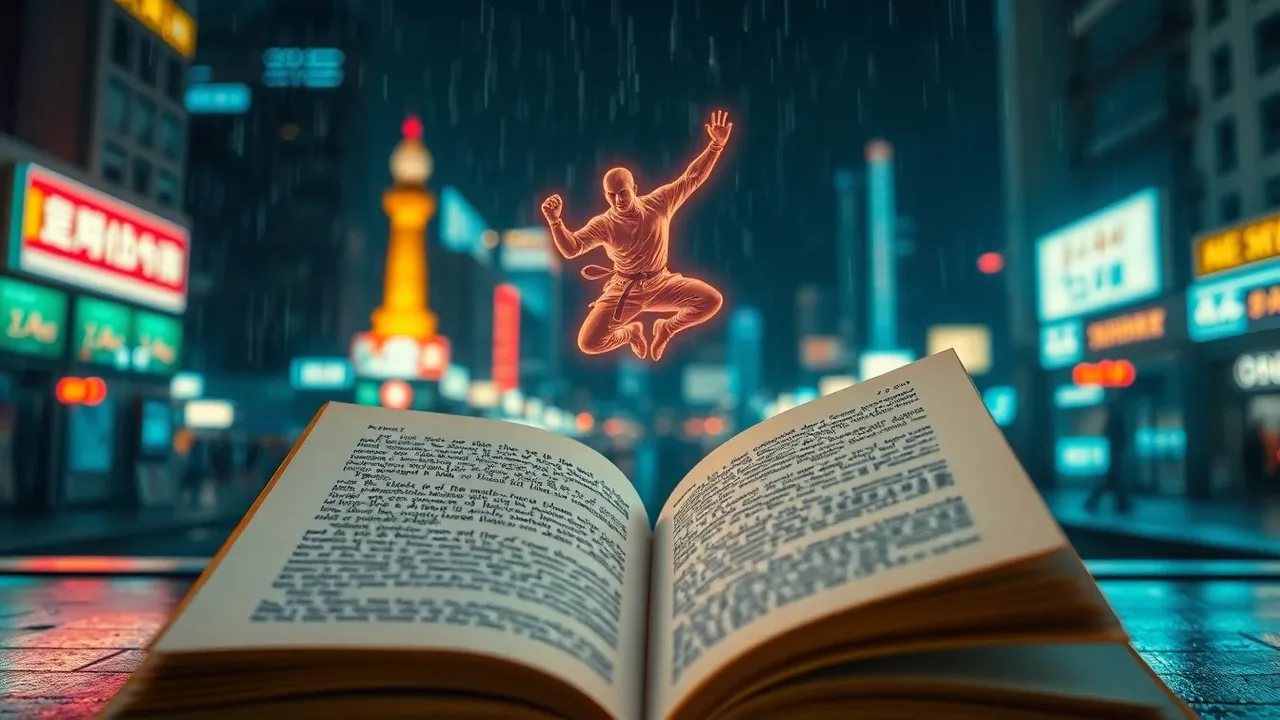
Adapting action sequences from K-dramas into novels is a complex art that demands a deep understanding of both visual storytelling and literary technique. K-drama action is often characterized by its choreographed elegance, dramatic slow-motion shots, and emotionally charged music. When transferring these elements to the page, writers must find equivalents for the visual and auditory cues that make screen action so compelling. The key is to maintain the same energy and pacing while leveraging the strengths of prose: internal monologue, sensory detail, and narrative distance. Unlike a camera, the written word can dive into a character's thoughts during a fight, revealing their fears, strategies, and adrenaline-fueled decisions. This internal dimension enriches the action, turning a mere physical confrontation into a psychological battle.
One of the biggest challenges is recreating the fluid choreography of a K-drama fight. On screen, a single continuous take might show a protagonist weaving through attackers, each movement precise and visually stunning. In a novel, that same scene must be broken down into a series of comprehensible actions, described in a way that guides the reader's mental eye. Writers often use short, punchy sentences to mimic the staccato rhythm of combat, alternating with longer, flowing sentences to capture moments of calm or preparation. The choice of verbs is crucial: 'lunged', 'twisted', 'parried', 'spun' convey motion more vividly than generic 'hit' or 'moved'. Additionally, the environment plays a vital role. K-dramas are known for their use of iconic locations—rooftops, narrow alleyways, luxurious hotel lobbies. In a novel, these settings can be described with rich detail to anchor the action and create a sense of place, much like a camera panning across the scene.
The Challenge of Cinematic Choreography
Cinematic choreography in K-dramas often involves elaborate fights that feel like dance routines. The protagonists are frequently skilled martial artists or secret agents, executing moves that are both deadly and beautiful. To translate this, a novelist must focus on clarity without sacrificing excitement. Over-describing every kick and punch can bog down the pacing, while too little detail leaves the reader confused. A successful approach is to alternate between broad strokes and specific actions. For example: 'He ducked under the swinging pipe, rolled across the concrete, and came up with a knife in his hand. The attacker hesitated, and that moment of doubt was all the opening he needed.' This pattern mimics the ebb and flow of a choreographed fight, allowing the reader to follow the sequence while feeling the tension.
Pacing and Rhythm in Text
Pacing is perhaps the most critical element when writing action sequences in K-drama novels. On screen, pacing is controlled by editing—cuts, slow motion, and quick flashes. In prose, pacing is achieved through sentence length, paragraph structure, and word choice. Rapid-fire short sentences create urgency, while longer, more descriptive passages can slow down the action to highlight a key moment, similar to a slow-motion shot. K-drama novelizations often use a technique called 'compression', where a series of fast actions are described in a single breathless sentence, then immediately followed by a moment of stillness as the character assesses the situation. This rhythm keeps readers engaged and mirrors the dynamic editing of the screen. Additionally, the use of dialogue during action can break up the physical description and add character depth. A quip or a gasp can serve as a punctuation mark in the fight.
Leveraging Sound and Music Description
K-dramas are famous for their soundtracks, which heighten the emotional impact of action scenes. While a novel cannot play music, it can describe the sounds of the fight and the character's perception of them. A writer might describe the 'thud of fists on flesh', the 'clang of metal on metal', or the 'whoosh of a knife slicing through air'. More importantly, they can evoke the mood of the music by describing the rhythm of the action or the character's internal state. For instance, 'The beat of his heart synced with the distant thrum of city traffic, a relentless pulse driving him forward.' This kind of synesthesia bridges the gap between screen and page, allowing readers to 'hear' the scene. Also, the absence of sound can be powerful: 'In the sudden silence, the only sound was his ragged breath and the drip of blood on the floor.'
Key Elements of K-Drama Action Sequences in Novels
Several signature elements define K-drama action, and replicating them in novel form requires careful attention. These elements include the emotional stakes, the character dynamics, the use of setting, and the incorporation of slow-motion or close-up equivalents. Each contributes to the unique flavor of K-drama action that fans love.
Character Dynamics and Emotional Stakes
In K-dramas, action is never just about physical conflict; it is deeply tied to character relationships and emotional arcs. A fight scene often reveals something about the characters' motivations, loyalties, or fears. For example, a hero may hesitate to strike an opponent because they remind them of a lost loved one. In a novel, this internal conflict can be explored through introspection. Writers can weave flashbacks or brief memories into the action, showing why this fight matters beyond the surface. The emotional stakes make the action meaningful; readers care not just about who wins but about what the victory or loss means for the character's journey. This is where novels have a distinct advantage over screen—they can delve into the character's psyche without pausing the action. A single line like 'He saw his brother's face in the assailant's eyes, and his fist wavered' adds a layer of tragedy to the violence.
Setting and Environmental Details
K-drama action is often set in visually striking environments—rain-soaked streets, neon-lit night markets, abandoned warehouses, or ancient palaces. The setting is not just a backdrop but an active component of the action. Characters might use the environment to their advantage, leaping over stalls, sliding under gates, or using pillars for cover. In a novel, describing these settings with sensory details—the smell of rain on asphalt, the glare of neon signs, the rough texture of brick—grounds the reader in the scene. The environment can also influence the mood. A dimly lit alley creates a sense of claustrophobia and danger, while an open rooftop with a view of the city skyline suggests freedom and vulnerability. Writers should integrate setting descriptions seamlessly into the action, avoiding long pauses that break the momentum. For instance: 'He sprinted through the market, knocking over baskets of fruit, the vendor's angry shouts fading behind him. The narrow alley opened into a vast, empty square, moonlight glinting off the puddles.'
Use of Slow Motion and Close-ups
K-dramas frequently use slow motion to emphasize critical moments—a punch landing, a hairpin drop, a shocked expression. In prose, slow motion can be achieved by expanding time through detailed description. A single second can be drawn out over several sentences, focusing on minute details: the trajectory of a drop of sweat, the widening of an eye, the slow turn of a blade. This technique creates a similar effect, allowing the reader to savor the moment. Close-ups in film isolate a character's face or a specific object, conveying emotion or symbolism. In a novel, close-ups can be rendered through sensory focus. For example, instead of describing the whole fight, the writer might zoom in on the protagonist's hands—the way they grip a weapon, the tremor in their fingers, the blood on their knuckles. This intimate perspective heightens tension and empathy.
Practical Techniques for Writers
For writers looking to adapt K-drama action sequences into novels, several practical techniques can help bridge the gap between screen and page. These include specific methods for writing fight scenes, building tension through sentence structure, and using dialogue effectively.
Writing Fight Scenes
Fight scenes in K-drama novels should be clear, kinetic, and character-driven. A common technique is to use the 'three-beat' structure: setup, action, reaction. First, establish the positions and intentions of the combatants. Then, describe the exchange of blows in a fast-paced sequence. Finally, show the aftermath—the pain, the realization, the shift in power. Avoid lists of moves; instead, focus on the most impactful actions. Use strong, active verbs and vary sentence length to mirror the fight's rhythm. For example:
- Setup: They circled each other, eyes locked, the warehouse silent except for the drip of water.
- Action: He lunged. She sidestepped, grabbing his arm and twisting. He grunted, spinning to break free, and swung a fist toward her jaw. She ducked, swept his legs, and he crashed to the floor.
- Reaction: He lay there, gasping, staring up at the fluorescent lights. She had won, but her victory felt hollow.
This structure keeps the action coherent and emotionally resonant. Also, remember that not every fight needs to be long. Quick, brutal exchanges can be just as effective as extended battles, especially in K-dramas where efficiency is often prized.
Building Tension Through Sentence Structure
Tension is the lifeblood of any action sequence. In prose, sentence structure is a powerful tool for controlling pacing. Short, fragmented sentences create urgency and mimic quick, panicked heartbeats. Longer, complex sentences can slow down the action and build anticipation. Writers often use a mix: a series of short sentences to accelerate the action, then a single long sentence to detail a crucial moment. For example: 'He ran. Faster. His lungs burned. The corridor seemed endless. But then he saw the door, a sliver of light beneath it, and he knew he had to reach it before they did.' This rhythm keeps readers on edge. Additionally, using sentence fragments—like 'A flash of steel. A scream. Then silence.'—can create a cinematic montage effect.
Another technique is the use of 'delayed revelation'. Instead of describing an action in order, a writer might start with the result and then explain how it happened. For instance: 'The knife embedded itself in the wall inches from his head. She had thrown it with a flick of her wrist, her expression unreadable.' This reversal mimics the surprise of a sudden cut or angle change in film. It keeps the reader engaged and thinking.
Examples from Popular K-Drama Novelizations
Several K-dramas have been adapted into novels, providing excellent case studies for how action sequences are translated. Although not every K-drama gets a novelization, many popular series have official or fan-made adaptations. Let's examine a few hypothetical examples based on actual dramas.
Kingdom (historical zombie thriller) features intense sword fights and chase scenes. In the novelization, the action would need to convey the claustrophobic horror of fighting in dark palace corridors. Writers would emphasize sounds—the shuffle of feet, the guttural groans of the infected—and the desperate urgency of the characters. The slow-motion equivalent might focus on a single zombie's decaying face as it lunges, drawing out the horror.
The K2 is a bodyguard drama with spectacular fight choreography. The protagonist, Kim Je-ha, is a former mercenary. His fights are brutal and precise. In a novel, the action would highlight his efficiency: 'He dropped three guards before they could draw their weapons, each blow a deadly perfection. The fourth hesitated, and that moment of fear cost him his life.' The emotional stakes—his protection of the female lead—adds depth to every fight.
Healer features a protagonist who is a night courier with exceptional combat skills. The action often involves rooftop chases and hand-to-hand combat. A novel adaptation would use setting descriptions to make the chase vivid: 'He leaped from one rooftop to another, the gap yawning below him like a hungry mouth. The city lights blurred past as he ran, his footsteps a staccato rhythm against the concrete.' The internal monologue could reveal his strategic thinking: 'He needed to lose them in the market below. He veered left, dropped onto a fire escape, and vanished into the crowd.'
Vincenzo is a mafia drama with over-the-top action and comedic undertones. The novelization would balance violence with wit. A fight scene might include a quip from the protagonist: 'He smiled as he disarmed the thug. "You should have brought more friends." The punch to the jaw was punctuated by a satisfied smirk.' The use of dialogue during action is a hallmark of K-drama style, and novels can replicate it easily.
These examples show that successful adaptation requires preserving the core emotional and tactical elements while finding prose equivalents for visual flair. A table comparing screen and page techniques can be useful:
| Element | Screen (K-Drama) | Page (Novel) |
|---|---|---|
| Choreography | Continuous shots, editing | Sequence of actions, sentence structure |
| Slow Motion | Visual effect, slowed footage | Expanded time, detailed description |
| Sound/Music | Soundtrack, sound effects | Onomatopoeia, rhythm, emotional cues |
| Emotional Depth | Acting, close-ups | Internal monologue, introspection |
| Setting | Visual backdrop, cinematography | Sensory details, environmental interaction |
| Pacing | Editing, cuts | Sentence length, paragraph breaks |
This table provides a quick reference for writers adapting action sequences. It highlights the complementary strengths of each medium.
Common Pitfalls and How to Avoid Them
Even experienced writers can stumble when adapting screen action to prose. Being aware of common mistakes can help ensure the adaptation remains engaging and true to the source material.
Over-Describing Every Move
One of the most frequent errors is trying to capture every single movement in exhaustive detail. While the camera can show a flurry of blows in seconds, the written word must be selective. Over-description leads to tedious, slow reading. Instead, focus on the most important actions and use inference for the rest. Trust the reader to fill in the gaps. For example, instead of 'He threw a left hook, then a right cross, then a jab, then a kick', write 'He unleashed a rapid combination, forcing her back.' The latter conveys the same idea without bogging down the text.
Losing Emotional Core
Action sequences in K-dramas are never just fights; they are emotional climaxes. A common pitfall is to prioritize choreography over character. If the action doesn't reveal something about the character's inner state or progress the relationship dynamics, it feels empty. Writers should always ask: What is at stake emotionally? How does this fight change the characters? Infuse the action with feelings—anger, desperation, love, fear. A simple line like 'He fought with a fury born of grief' can transform a generic fight into a poignant one.
Ignoring the Reader's Imagination
Finally, some writers assume that more description equals better visualization. But readers actively construct images in their minds, and too much detail can stifle imagination. The goal is to provide enough cues to guide the reader without micromanaging every aspect. Use selective sensory details—the glint of a blade, the sound of a gasp—and let the reader's mind fill in the rest. This approach respects the reader's role as co-creator of the story. K-drama novels that successfully make the leap from screen to page are those that embrace the strengths of prose while honoring the visual language of the source.
FAQ - From Screen to Page: Action Sequences in K-Drama Novels
How do K-drama action sequences differ when adapted into novels?
K-drama action relies on visual choreography, slow-motion, and soundtrack, while novels must use descriptive prose, sentence rhythm, and internal monologue to convey similar excitement. Writers translate visual cues into sensory details and focus on character emotions to maintain the drama's impact.
What are the best techniques for writing fight scenes in K-drama novels?
Use a three-beat structure (setup, action, reaction), vary sentence length for pacing, and prioritize emotional stakes over choreography. Strong verbs, selective detail, and integrating environment descriptions help create dynamic, readable fights that mirror screen sequences.
Can sound and music from K-dramas be effectively described in a novel?
Yes, by using onomatopoeia, describing the rhythm of action, and evoking the mood through character perception. For example, mentioning the pulse of a heartbeat syncing with city sounds can replicate the feeling of a soundtrack, while sound effects like 'clang' or 'whoosh' add immediacy.
How important is the setting in K-drama novel action sequences?
Highly important. Settings like rooftops, markets, or palaces are not just backdrops but active elements. They provide obstacles, cover, and atmosphere. Detailed sensory descriptions of the environment ground the action and enhance the visual imagination, just as cinematography does on screen.
What common mistakes should writers avoid when adapting K-drama action?
Avoid over-describing every move (which slows pacing), neglecting the emotional core of the fight, and overloading the reader with excessive detail that stifles imagination. Focus on key actions, character growth, and let readers fill in gaps with guided cues.
Are there successful examples of K-drama action novelizations?
While many K-dramas have official novelizations (like 'Kingdom' and 'The K2'), fan adaptations also show effective techniques. These examples balance fast-paced choreography with character introspection and environmental richness, proving that screen action can be compelling on the page when adapted thoughtfully.
Adapting K-drama action sequences to novels involves translating visual choreography, slow motion, and soundtrack into prose through sentence rhythm, sensory detail, and emotional stakes. Writers use techniques like three-beat fight structures, environmental grounding, and internal monologue to recreate the drama's thrill while leveraging the unique strengths of written storytelling.
Adapting action sequences from K-dramas into novels is a rewarding challenge that requires writers to harness the strengths of prose—internal depth, sensory richness, and flexible pacing—while honoring the visual and emotional language of the screen. By focusing on character-driven stakes, using selective detail, and employing techniques like sentence rhythm and environmental integration, authors can create action scenes that are just as thrilling and memorable as their cinematic counterparts. Whether you're a novelist tackling a K-drama adaptation or a fan writing your own, the journey from screen to page opens up new dimensions for storytelling, proving that the most powerful action happens not just in the body, but in the heart and mind.