The Cultural Roots of the Oppa Phenomenon
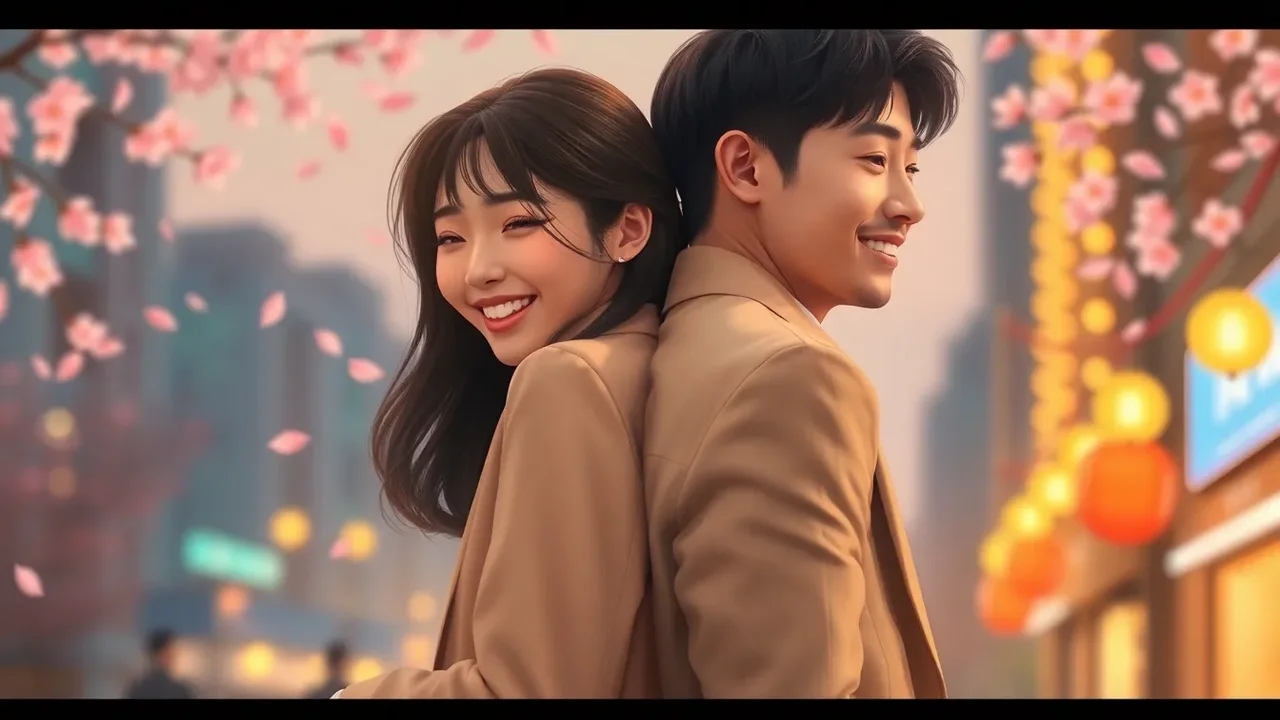
In the sprawling, glittering landscape of Korean drama, few terms carry as much weight—or as much swooning—as oppa (오빠). Literally translating to 'older brother' when spoken by a female to a male, in the context of romance, it becomes a loaded term of endearment, affection, and subtle power play. To understand what makes a perfect oppa in K-Drama Romance 101, one must first peel back the layers of Korean social hierarchy and Confucian influence that shape these narratives. In a society where age dictates language, behavior, and social standing, the oppa dynamic is a fascinating microcosm of protection, guidance, and romantic tension. The perfect oppa is not merely a love interest; he is a cultural archetype—a blend of strength and vulnerability, authority and tenderness—who exists to challenge and comfort the heroine in equal measure. This figure is so pervasive that entire dramas rise and fall on the charisma of their leading men, and fans worldwide have developed an almost Pavlovian response to the mere utterance of the word. But what truly elevates a male lead from ordinary to the perfect oppa? It is a careful alchemy of scriptwriting, acting, and cultural nuance that we will dissect in this guide, exploring everything from the iconic 'kkeutkkamalke' (endearing aegyo) to the dramatic 'jipakhaek' (emotional embrace). Whether you are a K-drama newbie or a seasoned connoisseur, understanding this archetype is essential to fully appreciating the genre's magnetic pull.
Traits of the Perfect Oppa: A Detailed Breakdown
1. The Protector with a Soft Core
At its heart, the perfect oppa is a protector. This is not the aggressive, chest-thumping machismo of Western action heroes, but rather a quiet, consistent shield. He walks on the outside of the sidewalk to shield her from traffic, he steps in front of her when a stray dog approaches, and he uses his body as a human umbrella in an unexpected downpour. These acts are not grand gestures but rather instinctive reflexes that signal his deep-seated need to keep her safe. However, the truly perfect oppa tempers this protectiveness with emotional intelligence. He knows when to step back and let her fight her own battles, recognizing that true strength is empowering her, not coddling her. For instance, in the drama Crash Landing on You, Ri Jeong-hyeok (Hyun Bin) is a stoic North Korean officer, but his protection of Se-ri (Son Ye-jin) extends beyond physical safety—he learns her favorite coffee order, he fixes her candles, and he risks his life for her without a second thought. This duality—the iron fist in a velvet glove—is what makes him irresistible. He is not a knight in shining armor who rescues a damsel in distress; he is a man who stands beside her, ready to catch her when she falls, but equally ready to watch her soar. The perfect oppa also demonstrates this through his actions in times of crisis. When the heroine faces a workplace scandal or a family conflict, he is the first to show up, not with solutions, but with a calm presence and a listening ear. He says, 'I'm here,' not 'I told you so.' This emotional availability is a cornerstone of modern K-drama romance, distinguishing the perfect oppa from the second male lead who often exhibits more possessive, less selfless traits. The second lead might also protect her, but he often does so with the expectation of reciprocation, while the perfect oppa protects her because he cannot do otherwise—it is as natural as breathing.
2. The Art of the Slow-Burn Romance
Patience is a virtue, and the perfect oppa is its patron saint. In K-dramas, romance rarely erupts in a single episode; it simmers over many episodes, building tension through stolen glances, accidental touches, and near-confessions. The perfect oppa understands this rhythm intuitively. He does not rush the heroine; instead, he creates a safe space for her to open up at her own pace. This is often manifested in the 'push-and-pull' dynamic, where he alternates between moments of intense closeness and sudden withdrawal, leaving both the heroine and the audience breathless. A prime example is Goblin (also known as Guardian: The Lonely and Great God), where Kim Shin (Gong Yoo) is a 900-year-old goblin who falls for a high school student (Kim Go-eun). Despite the problematic age gap in real-world terms, the drama frames his patience as a supernatural virtue—he waits for her through lifetimes, showing that true love transcends time and timing. The perfect oppa also excels at the 'almost' moments: the hand that hovers near hers before pulling away, the forehead that touches hers in a dark alley, the lips that pause a millimeter from hers before a phone rings. These teases are not frustrating but rather deliciously agonizing, because they signal that he is just as affected by her as she is by him. He is not playing games; he is savoring the journey, knowing that the destination (a full-fledged relationship) is sweeter when earned. In this sense, the perfect oppa is a master of emotional foreplay, building a foundation of trust and longing that makes the eventual confession—often accompanied by a dramatic rain or a beach sunset—all the more cathartic. He also respects her agency. When she says 'stop,' he stops. When she says 'leave me alone,' he leaves—but he always comes back, not to pressure her, but to remind her that he is still there, waiting. This respect is what separates a healthy oppa from a toxic one, and it is why viewers root for him so fiercely.
3. The Language of Love: Words and Actions
The perfect oppa is a polyglot of love languages. He says 'I love you' not just with his lips but with his eyes, his hands, and his sacrifices. In K-dramas, the most impactful declarations are often the quiet ones. He might not say 'I missed you' but will show up at her door with her favorite tteokbokki at 2 a.m. after a long trip. He might not say 'I'm jealous' but will tighten his jaw when another man flirts with her. This non-verbal communication is a hallmark of the genre, and the perfect oppa is its most eloquent speaker. He also uses terms of endearment that evolve with their relationship. Initially, he might call her 'yeoja' (woman) or her full name, but as they grow closer, he transitions to 'jagiya' (honey) or 'uri' (our) as in 'uri yeoja' (our woman). These linguistic shifts are subtle but powerful, signaling a deepening intimacy that words alone cannot capture. Moreover, the perfect oppa is not afraid to be vulnerable. He cries—oh, does he cry—and in those moments, he sheds the invincible armor to reveal his fears, his past traumas, and his insecurities. This vulnerability is not a sign of weakness but of immense strength, as it allows the heroine to become his safe harbor. In It's Okay to Not Be Okay, Moon Gang-tae (Kim Soo-hyun) is a caregiver who suppresses his own emotions to take care of his autistic brother. His journey involves learning to accept help and love, and his breakdowns are as compelling as his tender moments with the heroine. The perfect oppa also performs grand gestures, but they are always personal and meaningful, not just expensive. He might recreate a childhood memory, like building a snowman in the summer, or he might sacrifice his own happiness for hers, as seen in My Love from the Star, where the alien Do Min-joon (Kim Soo-hyun) uses his powers to save the heroine even if it means leaving Earth. These actions speak volumes, proving that his love is not just a feeling but a verb.
The Perfect Oppa vs. The Second Male Lead: A Comparative Table
| Attribute | Perfect Oppa (First Lead) | Second Male Lead |
|---|---|---|
| Primary Role | Ultimate romantic partner; emotional and physical protector | Catalyst for conflict; often a 'nice guy' who loses |
| Approach to Love | Patient, respectful, and slow-burn | Impulsive, often possessive, and persistent |
| Character Arc | Undergoes significant growth; learns vulnerability | Often static; represents what could have been |
| Viewer Sympathy | Rooted for unconditionally; 'endgame' | Pitied; often breaks viewers' hearts |
| Signature Move | The back hug, the forehead kiss, the piggyback ride | The wrist grab, the sudden confession, the tragic smile |
| Outcome | Wins the heroine's heart and hand | Usually ends up alone or with a new purpose |
This table highlights the stark contrasts that K-drama writers skillfully employ to guide audience emotions. The perfect oppa is not just a love interest; he is a narrative device that embodies hope, growth, and the promise of a happy ending. The second male lead, while often equally charming, serves to test the heroine's resolve and to showcase the first lead's superior compatibility. The perfect oppa's journey is one of self-discovery, and his love is transformative—not just for the heroine, but for himself. He enters the story with a wound, a secret, or a flaw, and through his relationship, he heals. This is a crucial point: the perfect oppa is not perfect in the sense of being flawless; he is perfect because he is perfectly suited to the heroine, and together they become more than the sum of their parts.
Practical Guide: How to Spot a Perfect Oppa in Real Life
While K-dramas are a form of escapism, the archetype of the perfect oppa offers surprisingly practical lessons for real-world relationships. Here are some tangible traits to look for, distilled from 101 episodes of romantic tension:
- He listens more than he speaks. He remembers the small details—your favorite flavor of ramyeon, the name of your childhood pet, the day you got a promotion.
- He respects your boundaries. If you say 'no' to a date, he doesn't guilt-trip you; he simply asks if you'd prefer to reschedule.
- He is consistent. His actions match his words. If he says he'll call, he calls. If he says he's busy, he is genuinely busy—not playing hard to get.
- He shows up in times of crisis. Whether it's a family emergency or a bad day at work, he is there, not with a lecture, but with a comforting presence and practical help.
- He is not afraid to be silly. The perfect oppa can laugh at himself, engage in aegyo (cute antics) without embarrassment, and dance badly in the rain just to see you smile.
- He grows with you. He is open to feedback and works on his flaws, because he sees the relationship as a partnership, not a power struggle.
These traits are not just fictional ideals; they are the building blocks of any healthy, loving relationship. The perfect oppa is not a myth—he is a man who embodies emotional maturity, respect, and a willingness to put in the effort. And while no one is perfect, the pursuit of these qualities can transform an ordinary romance into something extraordinary. In the end, the perfect oppa is not about the dramatic gestures or the chiseled jawline; it's about the quiet, everyday choices to love and be loved in return.
FAQ - K-Drama Romance 101: What Makes a Perfect Oppa
What does 'oppa' literally mean in Korean?
In Korean, 'oppa' (오빠) literally means 'older brother' when spoken by a female to a male. However, in romantic contexts, it is used as a term of endearment for a boyfriend or husband, implying affection, closeness, and a certain dynamic of protection and care.
Is the perfect oppa always the first male lead?
Yes, in nearly all K-dramas, the perfect oppa is the first male lead, as he is the one who ultimately wins the heroine's heart. Second male leads often share many traits but are missing that crucial element of timing or emotional compatibility, making them tragic figures rather than romantic winners.
What is the most important trait of a perfect oppa?
The most important trait is emotional intelligence—the ability to understand and respond to the heroine's needs, to be vulnerable, and to communicate love through both words and actions. Physical protection is important, but emotional safety is what truly defines the archetype.
Can a non-Korean actor be a perfect oppa?
Absolutely. The concept of 'oppa' is more about behavior and cultural nuance than nationality. As long as the actor embodies the traits—respect, patience, protectiveness, and romantic flair—he can be a perfect oppa, as seen in dramas with foreign actors or international adaptations.
Why do K-drama romances often have a slow burn?
The slow burn is a narrative tool to build tension and emotional investment. It allows viewers to savor the 'will-they-won't-they' dynamic, making the eventual union more satisfying. The perfect oppa thrives in this space, using the time to develop a deep, meaningful connection rather than a superficial one.
What is the 'second lead syndrome' and how does it relate to the perfect oppa?
Second lead syndrome is when viewers feel more sympathy for the second male lead, who is often kind and devoted but loses the heroine. It relates to the perfect oppa because it highlights how the first lead must earn his title through actions that demonstrate compatibility and growth, not just screen time.
K-Drama Romance 101: What Makes a Perfect Oppa explores the cultural archetype of the ideal Korean male lead—a blend of protectiveness, emotional intelligence, and slow-burn romance. From his respectful patience to his vulnerable strength, the perfect oppa captivates through actions, not just words, offering a template for real-world love and devotion.
In the end, the perfect oppa is more than a trope—he is a reflection of our deepest romantic desires: to be seen, protected, and loved unconditionally. From his gentle back hugs to his tearful confessions, he embodies the fantasy that love can be both thrilling and safe, passionate and patient. As you continue your K-drama journey, remember that the perfect oppa is not a checklist but a feeling—a feeling that, in the words of so many dramas, makes you believe that 'love is the best thing we do.' So here's to the oppas who make our hearts flutter, and to the hope that we all find a little of that magic in our own lives.
