Understanding Love Triangles
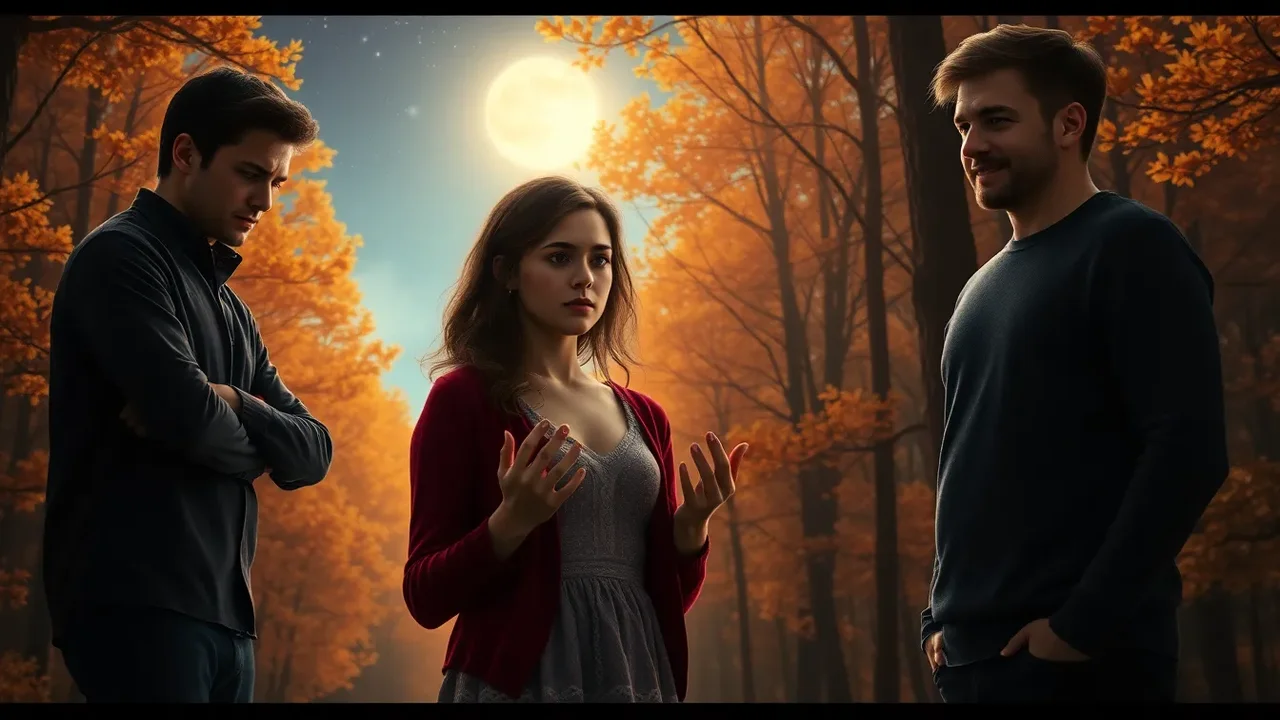
Love triangles are a narrative device where three characters are entangled in romantic or emotional relationships, typically with one character torn between two others. When executed well, they explore themes of loyalty, choice, and personal growth. When executed poorly, they devolve into clichés, forced drama, and frustration. The best love triangles feel organic, with each relationship offering distinct value, while the worst rely on indecisiveness and lack of character development.
Elements of a Great Love Triangle
A successful love triangle requires clear character motivations, meaningful stakes, and a resolution that respects the narrative. Audiences should understand why the central character is conflicted and why each option is viable. Without these elements, the triangle feels like a gimmick.
- Clear Character Goals: Each character must have independent desires and growth arcs.
- Equal Romantic Appeal: Both love interests should be compelling and flawed, not just a “good” vs. “bad” binary.
- High Emotional Stakes: The outcome should impact the characters’ futures in significant ways.
- Inevitable Resolution: The choice should feel earned and consistent with the story’s themes.
Character Motivation and Agency
In great love triangles, the central character actively drives the conflict. They are not passive victims of circumstance. For example, in *Pride and Prejudice*, Elizabeth Bennet’s internal struggle between Mr. Darcy’s pride and Mr. Wickham’s charm reflects her own growth in judgment and self-awareness. Her agency makes the triangle meaningful.
Conflict and Stakes
Stakes must extend beyond mere romantic preference. Often, the triangle mirrors larger societal or personal conflicts. In *The Hunger Games*, Katniss’s choice between Peeta and Gale parallels her struggle between survival, rebellion, and humanity. The stakes involve life, death, and revolution, elevating the triangle beyond simple romance.
Best Love Triangles in Fiction
Several love triangles have stood the test of time due to their complexity and emotional depth. The following table highlights some of the most acclaimed examples across different media.
| Work | Love Triangle | Why It Works |
|---|---|---|
| Pride and Prejudice | Elizabeth Bennet, Mr. Darcy, George Wickham | Darcy and Wickham represent different aspects of pride and deception; Elizabeth’s choice mirrors her moral awakening. |
| The Hunger Games | Katniss Everdeen, Peeta Mellark, Gale Hawthorne | Peeta symbolizes hope and compassion; Gale represents rebellion and survival; the choice is tied to Katniss’s identity. |
| Casablanca | Rick Blaine, Ilsa Lund, Victor Laszlo | Ilsa is torn between love and duty; Rick’s sacrifice shows maturity and selflessness. |
| Wuthering Heights | Catherine Earnshaw, Heathcliff, Edgar Linton | Heathcliff and Edgar embody passion versus stability; Catherine’s choice leads to tragic consequences. |
Example: Pride and Prejudice
Jane Austen’s masterpiece presents a triangle where Elizabeth initially favors Wickham’s charm over Darcy’s reserve. The triangle works because both men have genuine flaws and virtues, and Elizabeth’s eventual choice of Darcy reflects her increased self-knowledge. The resolution is satisfying because it grows from character development, not arbitrary plot points.
Example: The Hunger Games
Suzanne Collins creates a triangle that is inseparable from the dystopian setting. Peeta offers emotional safety and shared trauma, while Gale embodies resistance and the cost of war. Katniss’s ultimate choice for Peeta is not about romance alone but about choosing healing over vengeance. The triangle enhances the story’s themes of trauma and recovery.
Most Frustrating Love Triangles
Frustrating love triangles often share common traits: indecisive protagonists, poorly developed love interests, and prolonged conflict without meaningful progress. They can derail a story and alienate audiences.
- The Indecisive Protagonist: Characters who constantly waver without growth, like Bella Swan in *Twilight*, can make viewers impatient.
- The “Good” vs. “Bad” Binary: When one love interest is clearly better, the triangle feels artificial. Example: Edward vs. Jacob — Jacob is set up as a rival but never a real threat.
- Dragged-Out Tension: Triangles that last multiple seasons without resolution, like in *The Vampire Diaries*, become exhausting.
- Lack of Consequences: When the central character gets both or suffers no real loss, the triangle loses impact.
Example: Twilight
Stephenie Meyer’s series features a triangle between Bella, Edward, and Jacob. While initially intriguing, the execution falters because Edward is portrayed as the “perfect” option (immortal, wealthy, safe) while Jacob is the “dangerous” but passionate alternative. However, Jacob’s imprinting on Renesmee undermines the triangle’s emotional stakes. Many readers feel the triangle is resolved not by Bella’s growth but by a plot device.
Example: The Vampire Diaries
The love triangle between Elena, Stefan, and Damon dominated the series for seasons. While the actors brought charisma, the constant back-and-forth and memory-wiping plotlines frustrated viewers. The triangle’s resolution — Elena choosing Damon after years of indecision — felt rushed and unearned due to inconsistent character development.
Practical Tips for Writers
To create a love triangle that engages rather than frustrates, writers should follow these guidelines.
- Develop Both Love Interests: Give each character a distinct personality, backstory, and arc. Avoid making one “obviously right” and the other “obviously wrong.”
- Use the Triangle to Advance Plot: The conflict should drive the central character’s growth and the main storyline, not detract from it.
- Set a Time Limit: Prolonged triangles lose tension. Plan a resolution that aligns with the story’s climax.
- Show Consequences: The final choice should have lasting effects on all characters involved, including the one not chosen.
The Role of Subtext
Great love triangles often rely on subtext and subtlety. Instead of overt declarations, use actions and reactions to reveal feelings. In *Casablanca*, Ilsa’s torn loyalty is shown through her eyes and hesitant gestures, not lengthy monologues. This approach creates depth and allows audiences to interpret emotions.
Love Triangles Across Genres
Love triangles appear in romance, fantasy, science fiction, and even horror. Each genre shapes the dynamic. In fantasy, triangles often involve supernatural stakes (e.g., *The Mortal Instruments*). In science fiction, they can explore ethical dilemmas (e.g., *The 100*). Recognizing genre conventions helps writers tailor the triangle to audience expectations.
Ultimately, love triangles are a powerful tool when used with intention. They can illuminate character, heighten drama, and explore the complexities of love and choice. The best ones leave audiences satisfied, while the worst remind us why the trope is often criticized.
FAQ - Love Triangles: The Best and Most Frustrating Ones
What makes a love triangle 'good' versus 'frustrating'?
A good love triangle has well-developed characters, clear stakes, and a resolution that feels earned. A frustrating one often involves an indecisive protagonist, one-dimensional love interests, or prolonged conflict without growth.
Can a love triangle work in a standalone novel?
Yes, but it requires tight focus. The triangle must serve the main plot and character arc, and be resolved within the story. Standalone novels often use love triangles to highlight theme or decision-making.
Why do some love triangles drag on across multiple books or seasons?
To maintain tension and audience engagement. However, when stretched too long without meaningful change, it can frustrate viewers. Successful long-running triangles introduce new layers or consequences each time.
What are common clichés in love triangles?
Common clichés include the 'good vs. bad' love interest, the protagonist choosing both (polyamory not explored), the love interest who dies to resolve the triangle, and the sudden introduction of a third character late in the story.
Can a love triangle be resolved without anyone getting hurt?
In fiction, resolution often involves emotional pain for at least one character. However, some stories explore polyamory or amicable partings. The key is that the resolution feels authentic to the characters and story.
Is the love triangle trope outdated?
No, but it has evolved. Modern audiences prefer nuanced dynamics with agency and consequences. When used thoughtfully, love triangles remain a powerful way to explore relationships and personal growth.
Love triangles in fiction can be brilliant or frustrating. The best ones feature well-developed characters, meaningful stakes, and earned resolutions. Frustrating ones suffer from indecisive protagonists, one-dimensional love interests, and dragged-out tension. Key examples include Pride and Prejudice (great) and Twilight (frustrating). Writers should prioritize agency, consequences, and thematic relevance.
Love triangles will always be a divisive narrative tool, capable of producing both the most compelling and the most infuriating moments in fiction. The best examples challenge characters and audiences alike, forcing difficult choices that lead to growth. The worst ones remind us of the pitfalls of lazy storytelling. By understanding what works and what doesn't, writers can harness this trope to create lasting emotional impact, and readers can appreciate the craft behind a well-constructed romantic entanglement.
