The Origins of Spy Thrillers in Korean Drama
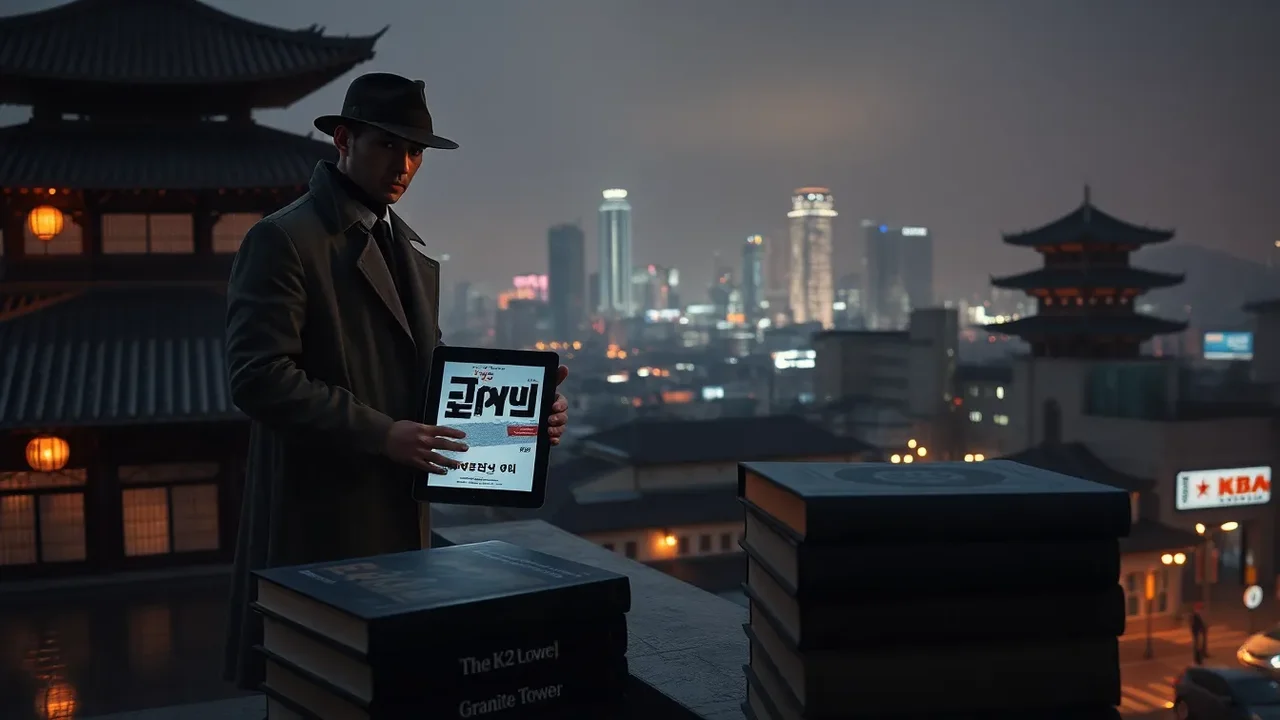
Spy thrillers have long captivated audiences worldwide, but their integration into Korean drama (K-drama) as novel adaptations marks a distinct evolution in storytelling. The genre's roots in Korea can be traced back to the post-Korean War era, when narratives of espionage, divided loyalties, and ideological conflict emerged from real-world tensions. Early Korean films and television dramas often depicted spies as either heroic patriots or tragic figures caught between two Koreas. However, it wasn't until the late 2010s that spy thrillers gained mainstream traction in K-dramas, largely driven by the adaptation of popular novels. These adaptations brought a newfound depth and literary credibility to the genre, appealing to both domestic audiences and international streaming platforms. The transition from page to screen allowed for more nuanced character development, complex geopolitical contexts, and intricate plotlines that traditional broadcast dramas had rarely explored. This shift was fueled by a growing appetite for sophisticated narratives among younger viewers, as well as the success of global spy franchises like James Bond and Jason Bourne, which demonstrated the commercial viability of espionage stories. Korean producers and broadcasters recognized an opportunity to blend local history with universal suspense, resulting in a wave of novel-based spy thrillers that redefined the K-drama landscape.
The Shift to Novel Adaptations
The decision to adapt spy novels into K-dramas was not arbitrary. First, novels offered established worlds with detailed character arcs and proven plot structures, reducing the risk of failed original scripts. Second, literary works often had built-in fan bases that could drive initial viewership and online buzz. Third, novels allowed for richer source material, enabling screenwriters to delve into themes like surveillance, double agents, and moral corruption with greater authenticity. Notable early examples include "The K2" (originally a 2014 novel by Lee Hye-kyung) and "Designated Survivor: 60 Days" (based on the American novel but adapted with Korean political nuances). These dramas set a precedent for high-production-value spy thrillers that balanced action with emotional depth. The trend accelerated with streaming giants like Netflix and Disney+ entering the Korean market, seeking content that could compete globally. Spy thrillers adapted from novels often featured strong leads—such as Ji Chang-wook in "The K2" or Lee Seung-gi in "Vagabond" (though the latter was not a novel adaptation, it shares the genre's intensity). The success of these dramas encouraged publishers to repackage original novels with drama tie-ins, creating a symbiotic relationship between literature and television.
Key Characteristics of Spy Thriller K-Dramas Based on Novels
Complex Characters and Moral Ambiguity
Unlike typical action heroes, protagonists in novel-adapted spy thrillers often grapple with ethical dilemmas. For instance, in "The King of Pigs" (adapted from the novel by Kim Da-eun), the detective investigates a series of murders linked to his own past, blurring the line between justice and revenge. Similarly, "Time" (based on the novel by Kim Je-hwi) features a spy who must confront his own complicity in state secrets. These characters are not simply good or bad; they are shaped by trauma, ideology, and survival instinct. The novels provide a psychological depth that screenwriters can mine for flashbacks, internal monologues (often conveyed through voice-over), and morally gray decisions. This complexity resonates with audiences weary of straightforward heroes, particularly in an era of political polarization.
High-Stakes Plotting and Twists
Novels often contain intricate conspiracies and red herrings that translate well to the serialized format of K-dramas. "The Granite Tower" (adaptation of the novel by Lee Soo-hyun) weaves a narrative around a hidden North Korean sleeper cell, with each episode revealing new layers of betrayal. The pacing is deliberate, allowing for slower character development interspersed with explosive action sequences. K-drama adaptations frequently add or modify subplots to accommodate the weekly broadcast schedule, but the core mystery remains faithful to the book. The use of cliffhangers and plot twists—such as uncovering a mole within a government agency—keeps viewers engaged across multiple episodes. This structural approach mirrors the serialized nature of classic spy novels, where chapters end with revelations.
Realism and Research
Adaptations of spy novels benefit from the research that authors have already conducted. Novels like "The Spy's Daughter" (Kim Yeon-su) incorporate real historical events, such as the 1987 Korean Air flight bombing, to ground their narratives. K-drama productions then enhance this realism through location shooting in government buildings, accurate period costumes, and tactical training for actors. The result is a heightened sense of authenticity that elevates the thriller elements. For example, in "The Snowy Road" (adapted from a novel by Kang Young-sook), the depiction of intelligence gathering uses actual surveillance techniques discussed in the source material, adding credibility.
Notable Adaptations and Their Impact
| Title | Original Novel | Author | Year | Key Impact |
|---|---|---|---|---|
| The K2 | The K2 | Lee Hye-kyung | 2016 | Popularized action-heavy spy dramas with deep character arcs |
| Designated Survivor: 60 Days | Designated Survivor (based on US novel) | Tom Clancy (concept) | 2019 | Brought political espionage to mainstream K-drama, highlighting government conspiracies |
| The King of Pigs | The King of Pigs | Kim Da-eun | 2022 | Explored psychological trauma and corruption within police and military |
| Time | Time | Kim Je-hwi | 2021 | Intertwined spy craft with romance and social class commentary |
| Granite Tower | Granite Tower | Lee Soo-hyun | 2023 | Used North-South Korea tensions as backdrop for a modern thriller |
These adaptations demonstrated that spy thrillers could attract high ratings and critical praise. "The K2" averaged over 10% viewership in Korea and gained a cult following internationally. "Designated Survivor: 60 Days" was praised for its taut pacing and political relevance, especially during the impeachment period in Korea. Their success led to increased investment in similar projects, with studios bidding for rights to popular spy novels and even web novels.
The Role of Authors and Screenwriters
Adapting a spy novel for television requires collaboration between the original author and a screenwriting team. Authors often consult on character consistency, thematic integrity, and plot logic. Screenwriters, meanwhile, must condense lengthy narratives into episodic structures, sometimes adding new scenes for visual storytelling. For instance, in "The Granite Tower", the author Lee Soo-hyun worked closely with the drama's writers to ensure that key monologues were translated into tense dialogues. The screenwriters also introduced a romance subplot that was absent in the book, satisfying the K-drama audience's expectations for emotional depth. This blend of fidelity and innovation is crucial; too much deviation may alienate book fans, while too little can make the drama feel stale. Successful adaptations strike a balance, as seen in "Time", where the novel's psychological focus was preserved but expanded through visual metaphors.
Practical Insights for Writers and Producers
Adapting for a Global Audience
Spy thrillers adapted from novels often incorporate universal themes—betrayal, patriotism, identity—that resonate beyond Korea. However, producers must localize certain elements. For example, references to specific historical events (like the Gwangju Uprising) may require context for international viewers. Subtitles and dubbing play a role, but the visual language of espionage—chases, code-breaking, surveillance—needs little translation. Netflix's investment in original K-drama spy series has pushed adaptations to include multi-language casts and global locations, such as Budapest in "The King of Pigs". Writers are advised to trim exposition that relies on Korean cultural knowledge alone, replacing it with universal action and emotion.
Balancing Action and Drama
K-drama audiences expect emotional investment in characters. In novel adaptations, this often means expanding the backstory of the spy protagonist. "The Snowy Road" added a childhood friendship arc that humanized the main character, making his later choices more poignant. Conversely, action sequences must be choreographed with precision, borrowing techniques from Hollywood but infusing them with K-drama aesthetics—slow-motion emotional beats, close-ups on faces during fights, and dramatic music. Producers often hire stunt coordinators from the film industry to ensure authenticity. The budget for such sequences can be significant, but the payoff is increased international marketability.
Challenges in Adapting Spy Novels for Television
- Pacing Problems: Novels can afford lengthy descriptions and internal thoughts; TV needs visual urgency. Screenwriters must decide which details to cut or convert into dialogue.
- Cultural Sensitivities: Spy stories involving North Korea or China may face censorship or diplomatic pushback. Adaptations often fictionalize countries or eras to avoid real-world complications.
- Fan Expectations: Book readers have strong attachments to characters. Casting decisions (e.g., a popular idol in a lead role) can cause backlash if the actor doesn't match the book description.
- Budget Constraints: Spy thrillers require elaborate sets, costumes, and special effects. K-dramas typically have lower budgets per episode than US counterparts, forcing creative solutions.
- Maintaining Mystery: In a serialized format, revealing too much too early can reduce tension. Producers must carefully map out episode cliffhangers to sustain intrigue across 16-20 episodes.
The Future of the Genre
The rise of spy thrillers in K-drama novel adaptations shows no signs of slowing. Streaming platforms are actively seeking out unpublished manuscripts and web novels that can be optioned for TV. The recent success of "The Granite Tower" and "Time" has encouraged authors to write with screen adaptation in mind, embedding visual hooks and episodic climaxes. Meanwhile, Korean production companies are partnering with international studios to co-produce spy series that blend K-drama sensibilities with global narratives. The genre is also expanding into animation and audio dramas, leveraging the novel's narrative depth. As geopolitical tensions continue to fuel public interest in espionage, the spy thriller K-drama will likely evolve, incorporating AI surveillance, cyber warfare, and transnational crime. The foundation built on novel adaptations ensures that the stories are grounded, complex, and enduringly popular.
FAQ - The Rise of Spy Thrillers in K-Drama Novel Adaptations
What makes spy thriller K-dramas based on novels different from original scripts?
Novel adaptations offer pre-established complex characters, detailed world-building, and proven plot structures. They often have built-in fan bases, allowing for higher engagement. The source material provides depth in moral ambiguity and psychological realism that original scripts may lack due to production time constraints.
Which are the most popular spy thriller K-dramas adapted from novels?
Notable titles include 'The K2' (based on Lee Hye-kyung's novel), 'Designated Survivor: 60 Days' (loosely based on the US novel concept), 'The King of Pigs' (from Kim Da-eun's novel), 'Time' (from Kim Je-hwi's novel), and 'Granite Tower' (from Lee Soo-hyun's novel). These have achieved high viewership and critical acclaim.
How do screenwriters balance faithfulness to the novel with television storytelling?
Screenwriters often collaborate with the original author to preserve core themes and character arcs. They condense or expand subplots, add visual metaphors, and sometimes introduce romance or action sequences not in the book. The goal is to maintain the novel's emotional core while making the drama engaging for serialized viewing.
Are spy thriller K-dramas adapted from novels suitable for international audiences?
Yes, because they emphasize universal themes like trust, betrayal, and survival. However, adaptations may localize historical references and simplify cultural nuances. Streaming platforms often invest in multi-language subtitles and dubbing, and some dramas include global locations to broaden appeal.
What challenges do producers face when adapting spy novels for K-dramas?
Challenges include pacing (condensing a novel into 16-20 episodes), budget constraints for action scenes and sets, maintaining mystery without dragging the plot, dealing with politically sensitive topics (e.g., North Korea), and satisfying both book fans and new viewers. Casting can also be contentious.
How is the rise of spy thriller novel adaptations affecting the Korean publishing industry?
It has boosted sales of original novels, with publishers reissuing them with drama tie-in covers. Authors now write with potential screen adaptation in mind, incorporating episodic structures and visual storytelling. Web novels, in particular, are being aggressively optioned by production companies.
The rise of spy thrillers in K-drama novel adaptations combines literary depth with cinematic action, driven by complex characters, geopolitical tensions, and streaming demand. Notable adaptations like 'The K2' and 'Granite Tower' showcase how novels provide rich source material for serialized espionage stories, creating a symbiotic relationship between publishing and television that continues to evolve.
The rise of spy thrillers in K-drama novel adaptations represents a dynamic fusion of literary depth and visual spectacle, transforming the Korean entertainment landscape. By leveraging the intricate plots and multifaceted characters found in novels, these dramas have elevated the spy genre to new heights of popularity both domestically and globally. As streaming platforms continue to invest in high-quality adaptations and as authors craft stories with screen adaptation in mind, the future holds even more sophisticated and thrilling espionage narratives that will captivate audiences worldwide, proving that the pen and the camera together can create unforgettable spy sagas.