The Anatomy of Brutal Fight Scenes in K-Drama Novels
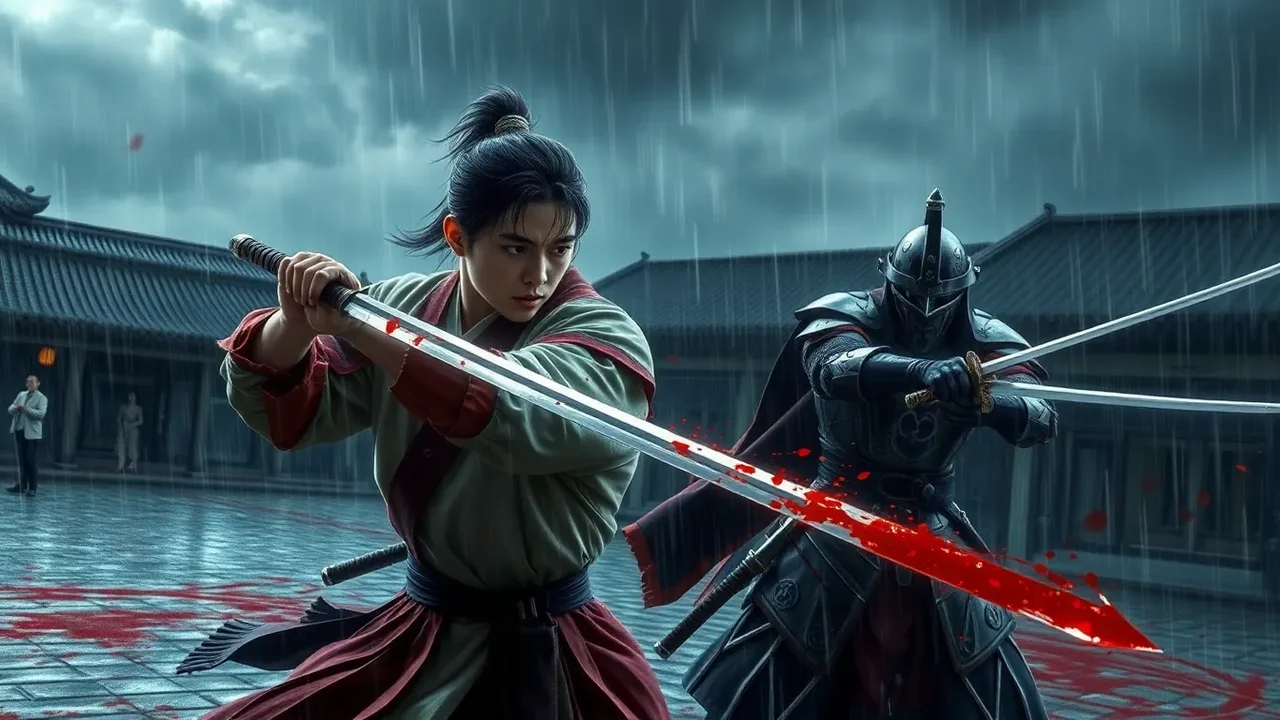
K-Drama novels, often adapted from webtoons or original scripts, are renowned for their intense emotional arcs and romantic tensions. However, beneath the surface of love triangles and palace intrigue lies a visceral, often shocking layer of brutality. These fight scenes are not mere skirmishes; they are meticulously crafted sequences that blend physical violence with psychological torment, serving as turning points for characters and plots. The brutality stems from a cultural storytelling tradition that values high stakes and profound consequences. Unlike Western action novels that may prioritize choreography or spectacle, K-Drama novel fights are deeply personal, often rooted in revenge, honor, or survival. The descriptions are raw, focusing on the sounds of bones breaking, the taste of blood, and the desperation in a character's eyes. This approach creates an immersive experience that leaves readers breathless.
Realistic Combat Descriptions
Authors of K-Drama novels invest heavily in authenticity. For instance, in the novelization of The Moon That Embraces the Sun, the sword fight between Hwon and his rival is depicted with precise anatomical detail. The text describes the 'searing pain of a blade slicing through the deltoid muscle' and the 'sickening crunch of a ribcage giving way under a kick.' Such realism grounds the fantasy in tangible suffering. In Six Flying Dragons, the assassination attempts are rendered with brutal efficiency: a dagger slips between ribs, a garrote tightens around a throat, and the victim's final gurgle is described in agonizing slow motion. This attention to physical reality makes the violence feel earned and impactful.
Psychological Torment
Brutality in K-Drama novels is not solely physical. The mental anguish experienced during and after fights is equally harrowing. In The Princess's Man, the protagonist Seung-yoo is forced to fight his former mentor. The narrative delves into his internal monologue—'Each thrust of his sword was a betrayal of the man who taught him how to hold it. The blood on his hands was not just his enemy's; it was the memory of every lesson, every laugh.' This psychological layer elevates the fight from a simple conflict to a tragic exploration of loyalty and loss. Similarly, in Rebel: Thief Who Stole the People, the protagonist Hong Gil-dong's battles are accompanied by flashbacks of his father's execution, making each blow a cathartic release of suppressed rage. The novel uses sensory details like the metallic scent of blood to trigger memories, blending past trauma with present violence.
Stakes and Consequences
The brutality in K-Drama novels is amplified by the high stakes. Characters often fight for their lives, the lives of loved ones, or the fate of a kingdom. In Kingdom, the zombie battles are not just survival; they are a desperate struggle against a plague that threatens to erase humanity. The novel describes a soldier's arm being torn off with a 'wet, rending sound' as he tries to protect a child. The consequence is immediate and permanent: he dies, and the child is left screaming. In The Great Queen Seondeok, the duel between Mishil and Deokman is not only a clash of swords but a battle for political dominance. The loser faces not just death but the annihilation of her entire faction. This weight makes every cut and parry resonate with narrative significance.
Notable Examples from Popular K-Drama Novels
| Novel Title | Fight Scene | Brutality Level | Key Description |
|---|---|---|---|
| The Moon That Embraces the Sun | Hwon vs. Royal Guard | High | Detailed swordplay with visceral injuries; blood pooling on marble floors. |
| Six Flying Dragons | Assassination of a noble | Medium | Quick, efficient kills with daggers; psychological horror of betrayal. |
| Kingdom | Zombie horde attack | Extreme | Limbs torn, jaws snapping; constant threat of infection and death. |
| The Princess's Man | Seung-yoo vs. Mentor | High | Emotional weight; each strike carries years of shared history. |
| Rebel: Thief Who Stole the People | Hong Gil-dong vs. Corrupt Officials | Medium | Brutal hand-to-hand; use of improvised weapons; cathartic revenge. |
- Use of short, staccato sentences to mimic the rhythm of combat.
- Focus on sensory overload: the smell of iron, the sound of tearing flesh, the sight of spraying blood.
- Emphasis on physical pain: detailed descriptions of fractures, bruises, and internal injuries.
- Inclusion of emotional flashbacks to heighten the personal stakes.
- Slow-motion techniques to prolong the agony of a fatal blow.
How Authors Craft Brutal Fights
Pacing and Tension
K-Drama novelists masterfully control pacing to maximize brutality. A fight often begins with a sudden, explosive action—a sword drawn, a punch thrown—then slows to a crawl for the most devastating moments. In My Country: The New Age, the climactic duel between Hwi and Seon-ho is a prime example. The narrative races through a flurry of blocks and counters, then freezes on the moment a blade pierces Seon-ho's shoulder. The text spends paragraphs describing the 'hot gush of blood' and the 'shudder that runs through his body,' forcing the reader to dwell on the injury. This rhythmic alteration keeps readers on edge, never allowing them to become desensitized.
Sensory Details
Authors employ all five senses to immerse readers. In The King of Pigs, a fight in a rain-soaked alley is described with tactile precision: 'The wet cobblestones were slick under his boots, each step a gamble. The rain mixed with blood, creating a pinkish stream that flowed into a gutter. He could taste copper on his tongue, feel the cold steel of the knife in his palm.' The auditory details are equally potent—'the wet thud of a fist connecting with a jaw, the sharp crack of a rib, the ragged breathing of the combatants.' These sensory layers make the violence almost tangible.
Aftermath
Brutal fight scenes in K-Drama novels rarely end with the final blow. The aftermath is often more harrowing. Characters are shown dealing with wounds, both physical and mental. In The Scholar Who Walks the Night, a vampire hunter survives a vicious attack but is left with a mangled leg. The novel spends pages on his rehabilitation, the pain of stitches, the nightmares that follow. This extended focus on consequences reinforces the brutality, showing that violence leaves permanent scars. Similarly, in Sweet Home, survivors of monster attacks are haunted by the faces of those they killed, their hands trembling long after the fight ends.
The Role of Brutality in Character Development
Brutal fights are not just spectacle; they are crucibles that forge or shatter characters. In The Legend of the Blue Sea, the mermaid Shim Cheong is forced to fight a sea monster to protect her love. The battle leaves her physically broken, but it also awakens a fierce protective instinct she never knew she had. The violence transforms her from a naive creature into a warrior. Conversely, in Goblin, the immortal goblin's fights are born of centuries of loneliness; each brutal encounter reminds him of his curse. The blood he spills is a testament to his pain, and the scenes serve to deepen his tragic character arc. For antagonists, brutal fights often reveal their true nature. In The K2, the villainous politician's cold-blooded execution of a rival is described with chilling detachment, cementing her as irredeemable.
Comparative Analysis with Western Novels
K-Drama novel fight scenes differ markedly from Western counterparts. Western action novels often emphasize heroism and clear-cut victories, with violence serving as a means to an end. In contrast, K-Drama novels treat brutality as a moral and emotional struggle. The fights are messy, ambiguous, and often leave both parties scarred. For example, a Western novel might depict a sword fight with elegant maneuvers and a triumphant final strike. A K-Drama novel, however, would focus on the exhaustion, the blood pooling under the combatants, and the regret that follows. The cultural emphasis on han (a Korean concept of unresolved grief and resentment) infuses these scenes with a melancholic brutality. The violence is not glamorized; it is a necessary evil that comes with a heavy cost.
Practical Tips for Writing Brutal Fight Scenes
- Research real combat: Study martial arts or historical fighting styles to add authenticity.
- Use visceral language: Avoid clinical terms; instead, use words like 'tear', 'crush', 'shatter'.
- Balance action with emotion: Interweave the character's thoughts and feelings during the fight.
- Vary the pace: Use short sentences for quick actions, longer sentences for moments of impact.
- Include consequences: Show the physical and psychological aftermath to give weight to the violence.
- Limit the number of fights: Too much brutality desensitizes readers; each fight should be significant.
The Impact on Readers
Readers of K-Drama novels often report a visceral reaction to these brutal scenes. The detailed descriptions of pain and suffering evoke empathy and shock, making the story unforgettable. The brutality serves as a narrative tool to heighten the emotional stakes, ensuring that the romance or political intrigue feels earned. It also provides a cathartic release, allowing readers to experience intense emotions in a safe environment. However, authors must be careful not to overindulge; excessive gore can turn readers away. The best K-Drama novels use brutality sparingly but effectively, making each fight a pivotal moment that changes the course of the story.
FAQ - The Most Brutal Fight Scenes in K-Drama Novels
What makes fight scenes in K-Drama novels particularly brutal?
The brutality comes from a combination of realistic physical descriptions, psychological depth, and high emotional stakes. Authors focus on sensory details like pain, blood, and bone breaks, while also exploring the characters' inner turmoil. The fights are often personal, tied to revenge or honor, making each blow resonate with narrative weight.
Are K-Drama novel fight scenes based on real martial arts?
Many authors research traditional Korean martial arts like Taekkyeon or historical sword techniques to add authenticity. However, they often exaggerate for dramatic effect. The choreography in novels is designed to feel realistic but also to serve the story's emotional arc.
How do K-Drama novels balance romance and brutal violence?
The violence is typically used to heighten the romantic stakes. A fight might protect a loved one or result from a broken heart. The brutality creates contrast, making moments of tenderness more poignant. Authors carefully pace the violence so it doesn't overshadow the central love story.
Can excessive brutality in K-Drama novels turn readers away?
Yes, if overused. Successful novels use brutality sparingly, reserving it for key turning points. Readers appreciate the intensity, but too much gore can desensitize them or feel gratuitous. The best authors balance violence with character development and plot progression.
What are common techniques used to describe brutal fights in K-Drama novels?
Authors often use short, staccato sentences for quick actions, then slow down for impact moments. Sensory details (smell of blood, sound of bones) are emphasized. Flashbacks and internal monologues add psychological layers. The aftermath is also detailed, showing wounds and trauma.
How do K-Drama novels differ from Western novels in depicting violence?
Western novels often glamorize violence or use it for spectacle, while K-Drama novels treat it as a moral and emotional struggle. The focus is on the cost of violence—pain, regret, and permanent scars. The Korean concept of 'han' (grief and resentment) infuses these scenes with melancholy.
K-Drama novels feature some of the most brutal fight scenes in literature, blending realistic combat descriptions with deep psychological torment. Authors use sensory details, emotional stakes, and cultural concepts like 'han' to create visceral, impactful violence that drives character development and plot, making each fight a pivotal, unforgettable moment.
In the world of K-Drama novels, brutal fight scenes are far more than action set-pieces; they are the crucibles in which characters are tested, relationships are shattered or forged, and the deepest themes of love, loss, and revenge are explored. The meticulous attention to physical and psychological detail, combined with cultural storytelling traditions, elevates these confrontations to unforgettable moments that linger long after the last page is turned. Whether it's a sword duel in a palace or a desperate struggle against monsters, the brutality serves a purpose—to remind us of the fragility of life and the strength of the human spirit.