The Allure of Time-Bending Romances in K-Dramas
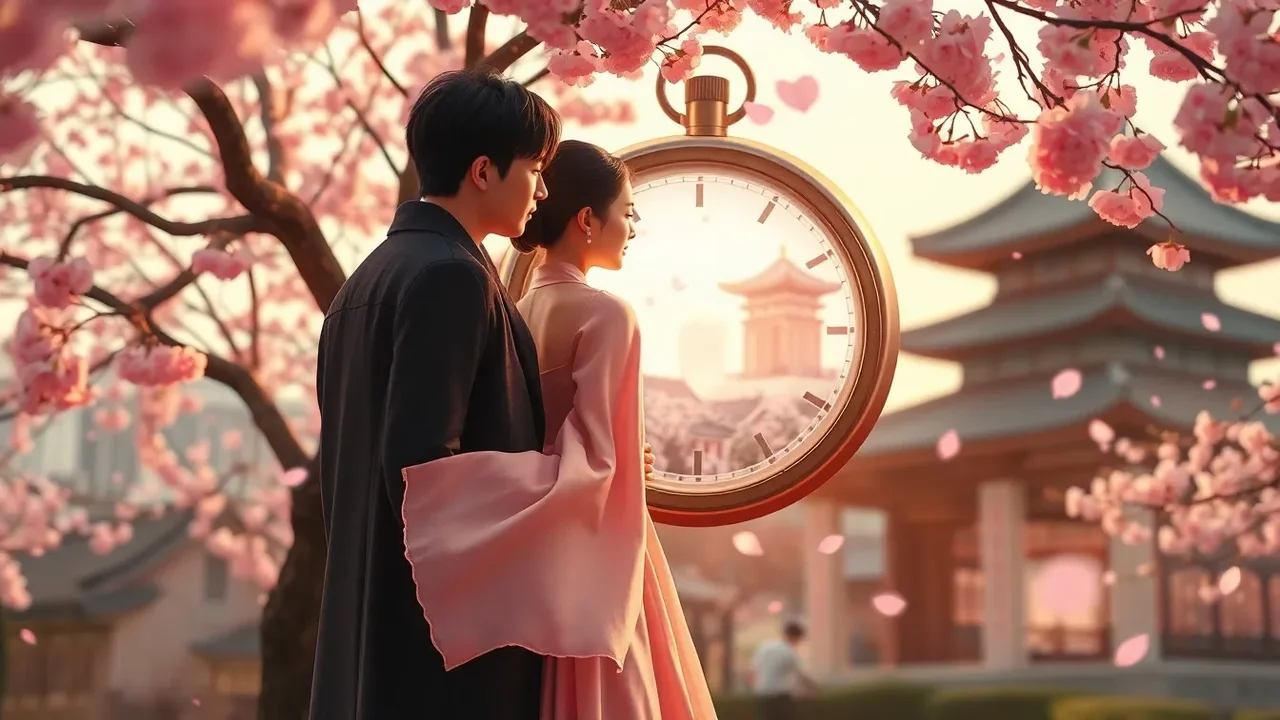
Time travel has long captured the human imagination, but when fused with romance in Korean dramas, it creates a uniquely intoxicating blend of yearning, destiny, and heartache. Time traveling for love is not merely a plot device; it is a lens through which writers explore fate, sacrifice, and the unbreakable bonds that transcend centuries. In these K-drama fantasy romances, lovers leap across decades, centuries, or even parallel timelines, often risking everything to rewrite history or simply share a fleeting moment. The genre consistently delivers high emotional stakes, breathtaking visuals, and thought-provoking questions about whether love can truly conquer time.
Why K-Dramas Excel at Time Travel Love Stories
Cultural and Narrative Foundations
K-dramas draw from a deep well of Confucian values, historical reverence, and a fascination with jeong (emotional attachment). When a character travels to the Joseon era or forward to a dystopian Seoul, the clash of eras highlights cultural evolution while emphasizing timeless emotions. The drama often uses time travel as a metaphor for the sacrifices required to protect love. Unlike Western time travel stories that focus on paradoxes and scientific explanations, K-dramas prioritize emotional continuity: even if the timeline changes, the love remains a constant anchor.
Visual Storytelling and Cinematography
Directors utilize lush color palettes to differentiate timelines. Past scenes may be bathed in warm sepia tones, while future scenes appear cool and metallic. The iconic “time slip” montage where a character runs through a tunnel or falls into water is a recurring visual motif. These sequences are often accompanied by haunting ballads that elevate the romantic tension. The production design meticulously recreates historical periods, from the intricate hanbok patterns to the bustling streets of modern Hongdae, making each era feel authentic and immersive.
Common Time Travel Mechanisms in K-Drama Romances
Physical Time Slip
In this classic trope, a character physically travels to another time through a portal, a special object (like a talisman or a diary), or natural phenomenon (such as a solar eclipse). The transition is often disorienting and dangerous. Example: “Rooftop Prince” (2012) where a Joseon prince and his entourage jump through a mysterious portal and land in modern Seoul. The prince must adapt to 21st-century life while searching for his reincarnated love.
Body Swap Across Time
Here, two souls from different eras exchange bodies. The lovers inhabit each other’s lives, learning about past or future societal norms. This trope creates comedic and tender moments as they navigate unfamiliar bodies. Example: “The King’s Affection” uses a body double plot, but more directly “Mr. Queen” (2020) involves a modern man’s soul trapped in a Joseon queen’s body, sparking a romance that defies gender and time.
Reincarnation and Memory Loss
A softer form of time travel where characters are reborn in a new era, often with lingering memories or dreams of a past life. The love story hinges on rediscovering those lost connections. Example: “Goblin” (2016) features an immortal goblin waiting centuries for his bride, while the bride has no recollection of their past encounters. The drama weaves past and present timelines seamlessly.
Time Loop or Rewind
The protagonist gains the ability to relive a specific period, often to prevent a tragedy. This mechanic allows for repeated chances at love, but also explores the emotional toll of witnessing loved ones’ suffering again. Example: “Someday or One Day” (Taiwanese but cited in K-drama discussions) – though a K-drama equivalent is “A Time Called You” (2023), a remake that uses a time-walking cassette player to send a woman back to 1998.
Table: Popular K-Dramas with Time Travel Romance
| Drama Title | Year | Time Travel Mechanism | Key Romance Dynamic |
|---|---|---|---|
| Rooftop Prince | 2012 | Portal from Joseon to modern Seoul | Joseon prince loves a woman who resembles his dead wife |
| The King’s Doctor (Horse Doctor) | 2012 | No time travel; historical setting with medical themes, but included for contrast | N/A |
| Queen In-Hyun’s Man | 2012 | Magical talisman allows time slip between Joseon and modern | Joseon scholar and modern actress become lovers across centuries |
| Nine: Nine Times Time Travel | 2013 | Incense sticks enable 20-minute jumps to the past | Man travels back to save his family but endangers his love |
| Moon Lovers: Scarlet Heart Ryeo | 2016 | Solar eclipse transports modern woman to Goryeo era | Love triangle with princes; tragic fate across time |
| Goblin | 2016 | Immortal waiting for human bride across centuries | Eternal love with a reincarnating bride |
| Live Up to Your Name | 2017 | Acupuncture needles cause soul time travel between Joseon and modern | Acupuncturists from different eras heal and fall in love |
| My Only Love Song | 2017 | Van travel through a tunnel to Goryeo | Modern actress and Joseon prince comedic romance |
| Faith (The Faith) | 2012 | Gatekeeper portal; modern doctor to Goryeo | Doctor and warrior king develop forbidden love |
| A Time Called You | 2023 | Cassette player rewinds time to 1998 | Grieving woman meets a man identical to her deceased lover |
Key Themes Explored in Time Travel Romances
Fate vs. Free Will
Every time travel romance grapples with the question: can love alter destiny, or are lovers always bound to meet regardless of the era? In “Queen In-Hyun’s Man”, the Joseon scholar uses the talisman to return to the modern era and his actress love, but each jump carries consequences. The narrative constantly tests whether their love can survive the whims of fate. Similarly, “Moon Lovers” shows the modern woman’s knowledge of history cannot prevent the brutal fates of the princes she loves, underscoring the limits of free will against historical momentum.
Sacrifice for Love
A recurring motif is the protagonist giving up a stable timeline or even their existence to secure the happiness of their beloved. In “Nine: Nine Times Time Travel”, the main character loses his memories and family connections as he meddles with the past. The emotional climax often involves a choice between personal happiness and preserving the timeline. This theme resonates with the Korean cultural value of 희생 (sacrifice) being the highest form of love.
Identity and Self-Discovery
When a character travels to another time, they are forced to shed modern (or historical) prejudices and adapt. For instance, the Joseon prince in “Rooftop Prince” learns about democracy and gender equality, which transforms his worldview. Meanwhile, the modern woman in “Live Up to Your Name” confronts her own ambition by learning from a traditional doctor. These journeys mirror the personal growth that true love often inspires.
Essential Elements for a Satisfying Endgame
- Butterfly Effect Consequences: The best dramas show how small changes in the past ripple into the future, forcing the couple to weigh their love against the greater good.
- Reunion Across Eras: Emotional climax often involves the couple meeting in a neutral timeline (e.g., a dream, a painting, or a shared memory). The ending may be bittersweet or open-ended.
- Historical Authenticity: Accurate costumes, language, and customs make the fantasy believable. Even in comedic dramas like “My Only Love Song”, the historical backdrop feels lived-in.
- Memorable Soundtrack: A haunting OST that plays during time slip sequences cements the romance in viewers’ minds. Ballads by artists like CHEN or Gummy become synonymous with the drama's love story.
- Noble Identity Revelation: Often one character learns the other is their ancestor or reincarnation, adding layers of existential angst – especially if the love becomes taboo.
Practical Information for Fans of the Genre
Where to Watch
Major streaming platforms such as Netflix, Viki, and KOCOWA carry most of these dramas. Some older titles like “Rooftop Prince” are available on DVD or YouTube with subtitles. Check MyDramaList for user reviews and time travel category filters.
Recommended Viewing Order for Beginners
If you are new to time travel K-dramas, start with “Goblin” for its perfect mix of emotional weight and fantasy. Then watch “Queen In-Hyun’s Man” for a pure romance with a clever time twist. Proceed to “A Time Called You” for a modern, poignant remake. End with “Moon Lovers” if you enjoy tragedy and historical grandeur.
Discussion Groups and Theories
Reddit communities like r/KDRAMA have active threads analyzing time loops and character motivations. For in-depth timeline breakdowns, fans create charts and GIFs explaining why the lovers can or cannot be together. Participating in these discussions enhances appreciation of the shows’ intricate plotting.
The Emotional Payoff of Time-Bending Love
Ultimately, K-drama time travel romances succeed because they make us believe that love is the most powerful force in the universe – stronger than death, stronger than the laws of physics. Whether through a tragic farewell in a snow-covered hanok or a joyful reunion in a modern coffee shop, these stories remind us that some bonds are simply eternal. They invite us to question: if you could travel back in time for love, would you? And what would you be willing to lose in the process?
FAQ - Time Traveling for Love in K-Dramas
What makes a time travel K-drama romance different from a Western time travel love story?
K-drama romances emphasize emotional continuity and fate over scientific logic. While Western stories often dwell on paradoxes and causality, K-dramas focus on the emotional journey of lovers who are destined to meet across timelines. The visual aesthetic, cultural values like sacrifice (희생), and integration of historical settings (e.g., Joseon dynasty) create a unique, poetic atmosphere rarely seen in Western counterparts.
Which K-drama time travel romance is considered the best for beginners?
Many fans recommend starting with 'Goblin' (2016) because it balances fantasy, romance, and emotional depth without an overly complex time travel mechanic. Alternatively, 'Queen In-Hyun’s Man' offers a more straightforward love story centered around a talisman that allows time slips, making it easy to follow. Both are available on Netflix and Viki.
Do time travel K-dramas always have happy endings?
Not necessarily. 'Moon Lovers: Scarlet Heart Ryeo' has a famously tragic ending, while 'Rooftop Prince' and 'A Time Called You' offer bittersweet but hopeful conclusions. The genre often explores the cost of altering fate, so many endings involve sacrifice or open-ended reunions. Check spoiler-free reviews on MyDramaList before watching if you prefer happy endings.
Are there any time travel K-dramas that involve body swapping or gender bending across time?
Yes. 'Mr. Queen' (2020) features a modern man’s soul trapped in the body of a Joseon queen, creating comedic and romantic tension. Similarly, 'Live Up to Your Name' involves soul time travel where a modern acupuncturist swaps consciousness with a Joseon doctor, though not exactly body swap. These shows explore identity and attraction beyond physical appearance.
How historically accurate are the settings in Joseon-era time travel K-dramas?
Production teams rigorously research costumes, architecture, and social hierarchy. However, creative liberties are taken for plot convenience—for example, allowing women to have more agency or characters to speak modernized language. Dramas like 'The King’s Doctor' (no time travel) are more accurate, but 'Moon Lovers' mixes real historical figures with fictional romance. Viewers should enjoy them as fantasy rather than history lessons.
What are some common tropes that appear in time travel K-dramas?
Common tropes include: (1) the time slip via a natural phenomenon (eclipse, waterfall), (2) love that transcends death/reincarnation, (3) a character meeting their own ancestor or descendant, (4) memory loss or flashbacks triggered by a familiar object, and (5) the 'noble idiocy' trope where one lover lies to protect the other from timeline consequences. These tropes heighten emotional conflict.
K-drama time travel romances blend fantasy, historical drama, and emotional sacrifice, using mechanisms like portals, reincarnation, or body swaps. Iconic shows such as 'Goblin' and 'Moon Lovers' explore destiny, identity, and the cost of rewriting time. These stories captivate fans with lush visuals, unforgettable OSTs, and the eternal question: can love truly transcend the ages?
Time traveling for love in K-drama fantasy romances offers a deeply resonant escape from reality, blending historical drama with modern sensibilities. Through intricate plots, stunning visuals, and unforgettable soundtracks, these stories explore the question that haunts every romantic: what if you could travel through time for a second chance at love? Whether they end in joyful reunion or tearful farewell, they remind us that the greatest adventure is not in changing the past, but in cherishing the moments we have right now. So pick a drama from the list, prepare your tissues, and let yourself be swept across the centuries.