The Core of a Compelling Villain: Motivation and Backstory
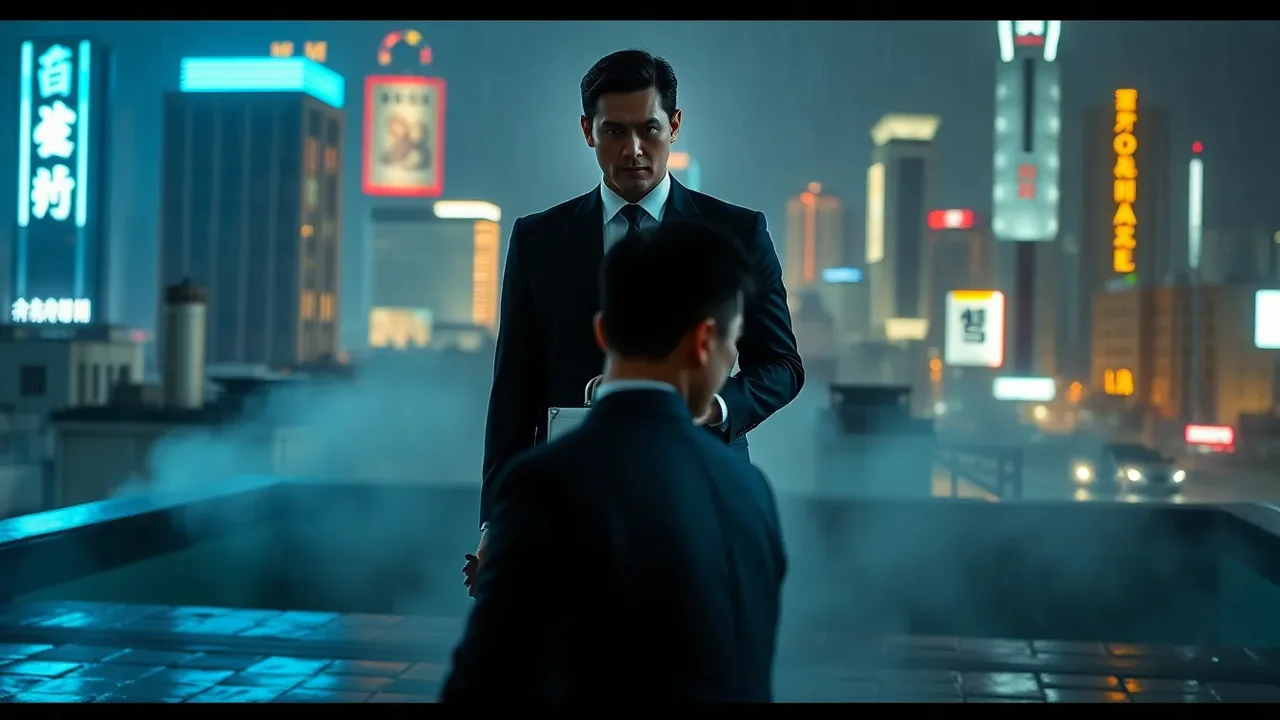
A great villain in a K-drama action novel is never evil for the sake of being evil. Their actions are rooted in a deeply personal, often tragic backstory that fuels their motivation. This backstory must be revealed gradually, weaving in the past trauma, a betrayal, or an injustice that shaped them. For example, a villain might have been a childhood friend of the hero who lost everything due to a corrupt system, turning him into a cold, calculating figure. The motivation should be relatable on some level, even if the methods are extreme. Readers must understand why the villain does what they do. A K-drama action novel often explores themes of revenge, class struggle, and family secrets. The villain's backstory should tie into these themes, creating a sense of inevitability. Without a strong motivation, the villain becomes a cardboard cutout, reducing the tension in every action scene.
Revenge as a Driving Force
Revenge is a classic motivator in K-drama action novels. The villain may be seeking vengeance for a lost loved one, a ruined reputation, or a stolen birthright. This desire for revenge often mirrors or contrasts with the hero's own quest. When both hero and villain are on parallel revenge paths, the story gains layers of moral complexity. For instance, a villain who was once a righteous prosecutor now manipulates the law to destroy the family that framed him. His methods involve blackmail, murder, and corporate sabotage. The reader may sympathize with his pain but condemn his choices. This duality makes the villain unforgettable.
Family and Legacy
Many K-drama action novels revolve around chaebol families, where legacy and inheritance are everything. A villain might be the eldest son overlooked for succession, willing to destroy siblings to claim power. Alternatively, it could be a matriarch who protects the family name at any cost. The emotional anchor of family bonds—twisted into control, jealousy, or greed—provides a rich vein for character development. The villain’s actions often stem from a desire to prove worthiness to a deceased parent or to reclaim a lost inheritance. This familial conflict adds soap-opera intensity to the action sequences.
Theatricality and Presence: The Villain's Aura
A great villain in a K-drama action novel must command every scene. Their presence is felt through dialogue, mannerisms, and visual descriptions. They often speak in measured, almost poetic sentences, or they can be unnervingly calm in the midst of chaos. Theatricality does not mean overacting; it means deliberate choices that make the villain magnetic. Think of a CEO who always wears a perfectly tailored suit, drinks expensive whiskey, and smiles just before ordering a hit. Or a mysterious figure who appears in the rain, holding an umbrella, with only their eyes visible. The description should evoke a sense of danger and sophistication.
Costume and Setting as Extensions of Character
In K-drama action novels, setting and costume are not incidental. The villain’s office might be a glass tower overlooking Seoul, symbolizing their god-like perspective. Their home may be an isolated mansion filled with art, hinting at a cultured yet lonely life. The way a villain dresses—sharp suits, minimalist accessories, or traditional hanbok with modern twists—tells the reader about their background and personality. A villain who wears white often projects purity, masking their corruption. These details are practical tools for the writer to convey subtext without lengthy exposition.
Dialogue and Verbal Dueling
Memorable villains deliver lines that chill the spine. Their dialogue is a weapon, used to undermine the hero’s confidence or to reveal the cruel truth. For example, a villain might say, "You think you're fighting for justice, but you're just a pawn in a game you don't understand." This kind of verbal sparring is a staple of K-drama action novels. The best villains are eloquent, making their threats sound almost reasonable. They can be sarcastic, philosophical, or unnervingly polite. Every line should serve to deepen the tension or reveal a facet of their worldview.
Moral Ambiguity and the Line Between Hero and Villain
One of the hallmarks of a great K-drama action novel villain is the blurring of moral lines. The reader should occasionally question whether the villain is truly wrong, or if the hero is merely less honest about their methods. A villain might expose the hypocrisy of the hero’s organization, forcing the protagonist to confront uncomfortable truths. This moral ambiguity elevates the story from simple good vs. evil to a complex examination of ethics. The villain may have a code of honor—they might refuse to harm innocents, or they only target those who have wronged them. This makes them unpredictable and fascinating.
The Anti-Villain Archetype
An anti-villain is someone who does terrible things for what they believe to be righteous reasons. In K-drama action novels, this often appears as a character who wants to destroy an oppressive system. They might be a former spy betrayed by his government, now leaking secrets to topple a corrupt regime. Their methods include assassination, terrorism, and extortion. Yet the reader might agree with their ultimate goal. The conflict then becomes about means versus ends. This type of villain forces the hero to evolve, as the hero must find a better path to justice.
The Impact on the Protagonist's Journey
A great villain is not a standalone entity; they exist to challenge and transform the protagonist. Every action the villain takes should force the hero to grow, to make difficult choices, or to sacrifice something precious. The villain might know the hero's deepest secret and use it to manipulate them. They may mirror the hero's own darker potential. In K-drama action novels, the villain often has a personal connection to the hero—a former mentor, a lost sibling, a childhood rival. This closeness makes the conflict emotionally devastating. The hero's journey toward becoming a better person or a stronger fighter is directly shaped by the villain's opposition.
Creating High-Stakes Tension
The villain's plans should have clear, escalating stakes. First, they might threaten the hero's career, then a loved one, then the entire city. Each new revelation raises the tension. Practical information for writers: break the villain's scheme into three acts. In Act One, they are a shadowy presence. In Act Two, they actively sabotage the hero. In Act Three, they reveal their full plan and confront the hero directly. This structure keeps readers engaged and ensures the villain remains a formidable obstacle until the climax.
Unique Elements in K-Drama Action Novels: Revenge, Family, and Chaebol Dynamics
K-drama action novels often incorporate uniquely Korean cultural elements that shape the villain. The concept of "han"—a deep-seated feeling of unresolved resentment—is a powerful motivator. Villains driven by han are tragic figures, their pain passed down through generations. Chaebol dynasty conflicts add layers of political maneuvering, where a villain can use boardroom tactics as effectively as physical combat. Additionally, the theme of social hierarchy is central: a villain might be a high-ranking official who exploits the poor, or a street-level thug trying to climb the ladder. These elements make the villain feel rooted in a specific world, not a generic evil overlord.
Comparison of Villain Archetypes
| Archetype | Key Traits | Example Actions | Why Effective |
|---|---|---|---|
| Chaebol Heir | Ambitious, ruthless, entitled | Manipulates stock prices, hires assassins, blackmails rivals | Reflects real-world power struggles; relatable greed |
| Corrupt Official | Calculating, charismatic, hypocritical | Uses police to frame hero, leaks false evidence, controls media | Highlights systemic injustice; creates David vs. Goliath tension |
| Revenge-Seeker | Tragic, obsessive, morally gray | Targets hero's loved ones, sets elaborate traps, reveals hidden truths | Earns sympathy; forces hero to question own mission |
| Psychological Mastermind | Intelligent, manipulative, calm | Gaslights hero, plants lies, uses mind games to isolate hero | Creates suspense; psychological warfare elevates stakes |
Each archetype can be combined or subverted for freshness. The best villains may start as one type and evolve into another as the story progresses.
Practical Tips for Writing a Great K-Drama Novel Villain
- Give them a secret: A hidden vulnerability or a past mistake that they desperately hide. This secret can be exploited by the hero in the climax.
- Show their intelligence: Villains should be clever enough to challenge the hero. Outsmarting the hero in at least one major scene proves their threat.
- Include a sympathetic moment: A brief scene where the villain shows kindness to a child or a pet humanizes them without excusing their crimes.
- Connect to the theme: Align the villain's philosophy with the novel's central message. If the theme is forgiveness, the villain should reject it entirely.
- Use physicality: Describe their movements—a graceful stroll, a tense stillness—to convey control or agitation. In action scenes, their fighting style should reflect their personality.
- Plan a worthy defeat: The villain's downfall should be inevitable and thematically resonant. Not a lucky shot, but a result of their own fatal flaw or the hero's growth.
Common Mistakes to Avoid
Writers often make villains too powerful, removing all hope. A great villain must be beatable, even if barely. Another mistake is explaining too much: the best villains retain an air of mystery. Finally, avoid making the villain laugh evilly without reason. Every action should have a logical (if twisted) motivation. In K-drama action novels, emotional depth replaces cartoonish malice.
To summarize the practical information: craft a backstory that aligns with Korean cultural themes of han and family, design a distinctive presence through clothing and speech, ensure moral complexity blurs the lines, and let the villain actively shape the hero's arc. Use the archetype table above as a starting point, and build your villain from a place of understanding, not hatred. The reader should dread the villain's next move, but also understand why they do it.
FAQ - What Makes a Great Villain in K-Drama Action Novels?
What is the most important trait of a K-drama action novel villain?
A compelling motivation rooted in a tragic backstory. Whether driven by revenge, family legacy, or a twisted sense of justice, the villain's reasons must be understandable to create depth and moral ambiguity.
How can I make my villain stand out from typical antagonists?
Give them a unique presence through theatrical dialogue, memorable visual descriptions (like a signature outfit or setting), and a personal connection to the hero. Combine cultural elements like chaebol dynamics or 'han' for authenticity.
Should the villain be completely evil or morally grey?
Morally grey villains are more effective in K-drama action novels because they challenge the reader's sympathies and force the hero to reflect. Even when committing terrible acts, a hint of humanity makes them unforgettable.
How does the villain impact the hero's development?
A great villain acts as a catalyst for the hero's growth. They create high-stakes obstacles, expose the hero's weaknesses, and sometimes mirror the hero's darker side. The hero must evolve to defeat them.
What role do family and chaebol dynamics play in villain creation?
Family conflicts and corporate inheritance battles are central to many K-drama action novels. They provide rich emotional terrain—betrayal, loyalty, legacy—that can fuel a villain's actions and make the plot intensely personal.
How do I write a satisfying defeat for a K-drama action villain?
The defeat should stem from the villain's own fatal flaw (e.g., hubris, obsession) or from the hero’s hard-won growth. Avoid deus ex machina. The climax should emotionally resonate, delivering justice that feels earned.
A great villain in K-drama action novels is defined by a tragic backstory, magnetic presence, and moral ambiguity. They challenge the hero through personal connections and cultural themes like revenge and chaebol dynamics. Effective villains have understandable motivations, distinctive dialogue, and a defeat tied to their flaws, making them unforgettable antagonists.
In K-drama action novels, a great villain is never just an obstacle to be overcome—they are the dark mirror of the hero, the embodiment of the story's deepest conflicts, and a character the reader loves to hate and sometimes pity. By weaving together a rich backstory, a magnetic presence, moral complexity, and a deep connection to the protagonist's journey, writers can craft a villain who elevates the entire narrative. The finest villains in this genre are those who haunt the reader long after the last page, reminding us that the line between light and shadow is thinner than we think.