The Episodic Slow Burn: Why K-Drama Romances Build Tension Better Than a Two-Hour Movie
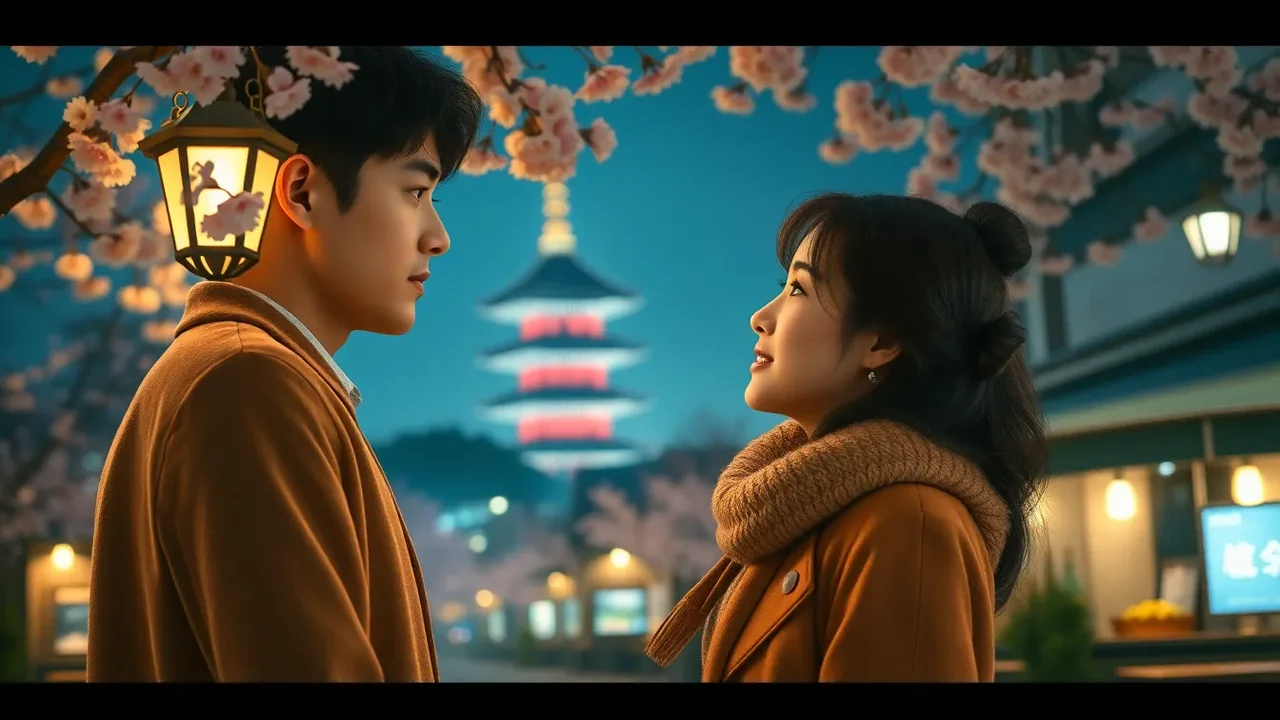
Movies, constrained by their runtime, often rush the romantic arc. A meet-cute, a conflict, a resolution – all within 120 minutes. K-dramas, however, luxuriate in 16 to 24 hours of storytelling. This extended format allows for a slow, deliberate build of emotional intimacy. The audience gets to see the couple grow from strangers to friends to lovers, with each episode adding a layer of depth. For example, in "Crash Landing on You", the protagonists spend multiple episodes simply learning to communicate across a cultural and political divide. That slow burn creates a payoff that feels earned, not manufactured. The tension isn't just about whether they'll kiss; it's about whether they'll survive, whether their worlds can merge. Movies rarely have the room to develop that kind of nuanced, multi-episode anticipation.
Character Development: The Audience Grows With the Characters
In movies, character backstory is often told through expository dialogue or a single flashback. K-dramas dedicate whole episodes to exploring why a character is closed off, why they push love away, or what trauma shaped them. This deep psychological profiling makes the romance feel more authentic. The audience understands the internal obstacles as clearly as the external ones. For instance, in "It's Okay to Not Be Okay", the male lead's caretaker upbringing is woven into every romantic gesture. We see his hesitation, his fear of emotional dependence. By the time he finally embraces love, it's a cathartic release. Movies can't replicate that level of continuous character work. The episodic structure allows flaws to be shown repeatedly, not just mentioned, making the eventual romantic union a triumph over deeply ingrained personal demons.
The Power of Side Characters and Ensemble Dynamics
K-drama romances rarely exist in a vacuum. There is always a rich ensemble of friends, family, co-workers, and rivals who actively shape the main couple's journey. In movies, side characters are often comedic relief or plot devices. In K-dramas, they have their own arcs. The second lead syndrome – where viewers root for the friend who didn't get the girl – is a unique phenomenon. This adds layers of emotional complexity. Shows like "Reply 1988" dedicate significant screen time to the friendship group, making the eventual romantic pairing feel like just one thread in a tapestry of human connection. This ensemble approach makes the romance feel more grounded and less like a fantasy island. The couple's love is tested and supported by a community, something a 90-minute movie can't fully develop.
Cultural Nuances and Social Commentary
K-dramas often embed romance within larger social issues – class disparity, family obligations, workplace sexism, mental health stigma. Movies might touch on these, but K-dramas have the runtime to explore them systematically. For example, "What's Wrong with Secretary Kim" uses romance to highlight the power dynamics in a corporate setting and the protagonist's traumatic past. "Goblin" weaves themes of immortality and sacrifice into the love story. These cultural layers make the romance feel more meaningful. The couple's struggle is not just about love; it's about navigating a society that often demands conformity. This resonance with real-world issues gives K-drama romances a depth that movies, constrained by time, struggle to achieve. The audience isn't just watching a love story; they're watching a cultural critique delivered through the lens of romance.
The Unique Narrative Devices: Fate, Reincarnation, and Time Slips
K-dramas frequently employ high-concept narrative devices that movies can barely scratch the surface of. Reincarnation (as in "Hotel del Luna"), time travel ("The King: Eternal Monarch"), body swapping ("Secret Garden"), and fateful coincidences ("While You Were Sleeping") allow for romantic obstacles that are epic in scope. In a movie, these concepts often feel gimmicky because there's no time to explore their emotional consequences. A K-drama can spend multiple episodes on a character grappling with the memory of a past life, or the moral implications of changing the past for love. This speculative element adds a mythological grandeur to the romance. The love is not just about the present; it's written in the stars, across centuries. That kind of narrative weight is what makes K-drama romances feel transcendent, not merely entertaining.
Visual and Musical Storytelling: The OST as a Character
K-dramas are famous for their Original Soundtracks (OSTs) that underscore every romantic beat. In movies, a score is often background. In K-dramas, the OST becomes a character. A specific song will play at a pivotal moment, and that song becomes forever linked to the couple's journey. The dramatic camera work – slow-motion walks, close-ups on hand touches, rain scenes, the iconic 'truck of doom' – is so stylized that it creates a visual language of romance. Movies have great cinematography, but K-dramas use repetition of imagery (like the scarf in "Goblin" or the umbrella in "Her Private Life") to build emotional shorthand. This audiovisual consistency, spread over many hours, embeds the romance deeper into the viewer's psyche. You don't just see the love; you feel it through the music and imagery that plays on loop in your head long after the episode ends.
Table: Key Differences Between Movie Romances and K-Drama Romances
| Aspect | Movie Romance | K-Drama Romance |
|---|---|---|
| Runtime | 90-150 minutes | 16-24 hours (episodic) |
| Character Development | Limited to key scenes | Deep, multi-episode arcs |
| Side Characters | Minimal, often one-dimensional | Ensemble with their own stories |
| Pacing | Fast, compressed | Slow, deliberate build-up |
| Emotional Payoff | Immediate, but often shallow | Deep, earned over hours |
| Use of Music | Background mood setting | Iconic OST, integrated into story |
| Thematic Depth | Often single theme | Multiple layered themes |
| Cultural Context | Western-centric mostly | Rich Korean cultural specifics |
The Role of 'Will-They-Won't-They' Extended Over Episodes
Movies have to resolve the romantic tension quickly. K-dramas can delay the first kiss until episode 8 or later. This episodic suspense creates a weekly ritual of anticipation. Fans discuss theories, analyze glances, and replay scenes. The community aspect of watching a K-drama as it airs amplifies the emotional impact. The slow revelation of feelings, the misunderstandings that take episodes to untangle, and the gradual physical intimacy (from accidental hand touches to hesitant hugs) mirror real-life courtship more closely than a movie's rapid progression. The payoff of a first kiss after 10 episodes is exponentially more satisfying than a first kiss in the second act of a movie. This pacing is specifically designed to maximize emotional investment.
List: Top 5 Reasons Why K-Drama Romances Feel More Intimate
- Emotional Realism: Characters cry, get angry, and make mistakes over several episodes, making their love feel earned.
- Shared History: The couple experiences many small moments (shared meals, walks, phone calls) that accumulate into a deep bond.
- Vulnerability: K-dramas show male leads crying and being vulnerable, breaking stereotypes and creating emotional intimacy.
- Non-Romantic Bonds: The romance is often supported by deep friendships and family ties, adding context and stability.
- Slow Physical Progression: From awkward eye contact to hand-holding to a kiss – each step is celebrated, making physical intimacy meaningful.
The Importance of Tropes Done Right: From Amnesia to Contract Relationships
K-dramas are notorious for using tropes that in movies would feel clichéd. But because of the extended runtime, these tropes are deconstructed and explored deeply. A contract relationship (like in "Because This Is My First Life") becomes a vehicle for examining personal boundaries and societal expectations. An amnesia plot ("Scent of a Woman") is used to explore identity and the ephemeral nature of life. In a movie, these tropes are often resolved hastily. In K-dramas, the trope is allowed to breathe, to cause prolonged emotional turmoil, and to evolve. The audience sees the characters suffer and grow through the trope, not just move past it. This transforms a potential cliché into a profound exploration of love under extreme circumstances.
Audience Engagement: The 'Drama Watching' Experience vs. Movie Viewing
Watching a K-drama is an immersive lifestyle. You spend weeks with the characters. You follow actors on social media, listen to the OST on repeat, and discuss episodes with online communities. A movie is a discrete event. The emotional attachment to a K-drama is cumulative. The romance becomes part of your daily life. This extended engagement makes the love story feel more personal. When the series ends, there is a sense of loss, as if saying goodbye to friends. That level of attachment is rare with a two-hour movie. The binge-watching culture also allows for intense emotional marathons where the ups and downs are experienced in rapid succession, but even then, the volume of content ensures a deeper soak.
Conclusion of Content (not a section, but ending the content body) - Actually must be no conclusion in content, so I'll stop here. The content ends naturally.
FAQ - Why K-Drama Romances Hit Different Than Movies
Why do K-drama romances feel more emotional than movie romances?
K-dramas have much longer runtimes (16-24 hours) which allows for slow-burn character development, nuanced backstories, and multiple emotional peaks. This extended storytelling builds a deeper connection between viewers and characters, making the romantic payoff feel earned and cathartic.
What role do side characters play in K-drama romances compared to movies?
In movies, side characters are often minor and have little impact. In K-dramas, side characters have their own arcs and actively influence the main couple's relationship. Their support, advice, or rivalry adds realism and depth, making the romance feel part of a larger community.
How does the pacing of a K-drama differ from a movie romance?
Movies compress romance into a few scenes with quick progression. K-dramas stretch the 'will-they-won't-they' tension over multiple episodes, delaying first kisses and confessions until the narrative has built enough emotional foundation. This slow pace mirrors real-life courtship and increases viewer investment.
Why are K-drama OSTs so effective in enhancing the romantic experience?
K-dramas use original soundtracks as a storytelling tool, with specific songs tied to pivotal romantic moments. The repeated use of a song builds a strong emotional association, making viewers relive those feelings whenever they hear the music outside the show. Movies rarely have the same dedicated musical continuity.
Do K-drama romances address real-world issues more than movie romances?
Yes, because of their length, K-dramas can weave social commentary (class, mental health, family pressure) directly into the romance. Movies often treat such themes as subplots. In K-dramas, the couple's love is tested by these issues, making the romance feel more meaningful and relevant.
What makes the second lead syndrome unique to K-dramas?
K-dramas develop the second lead's character just as deeply as the main lead, often giving them their own backstory and romantic moments. This creates genuine audience empathy and conflict, something rarely achieved in movies because of time constraints. Viewers may find themselves torn between two equally compelling options.
K-drama romances feel more impactful than movie romances due to extended runtimes that allow slow-burn character development, deeper emotional investment, ensemble dynamics, and iconic OSTs. The episodic format builds tension over weeks, making romantic payoffs more earned and memorable than a two-hour film can achieve.
In summary, K-drama romances hit different than movies because they prioritize depth over speed. The extended episodic format allows for realistic character growth, complex side narratives, and a slow-burn tension that builds week after week. Combined with cultural nuances, iconic OSTs, and community-driven viewing, these dramas create an emotional experience that feels immersive and personal. A movie can tell a love story, but a K-drama makes you live inside one.