The Enigmatic Appeal of the Cold Male Lead
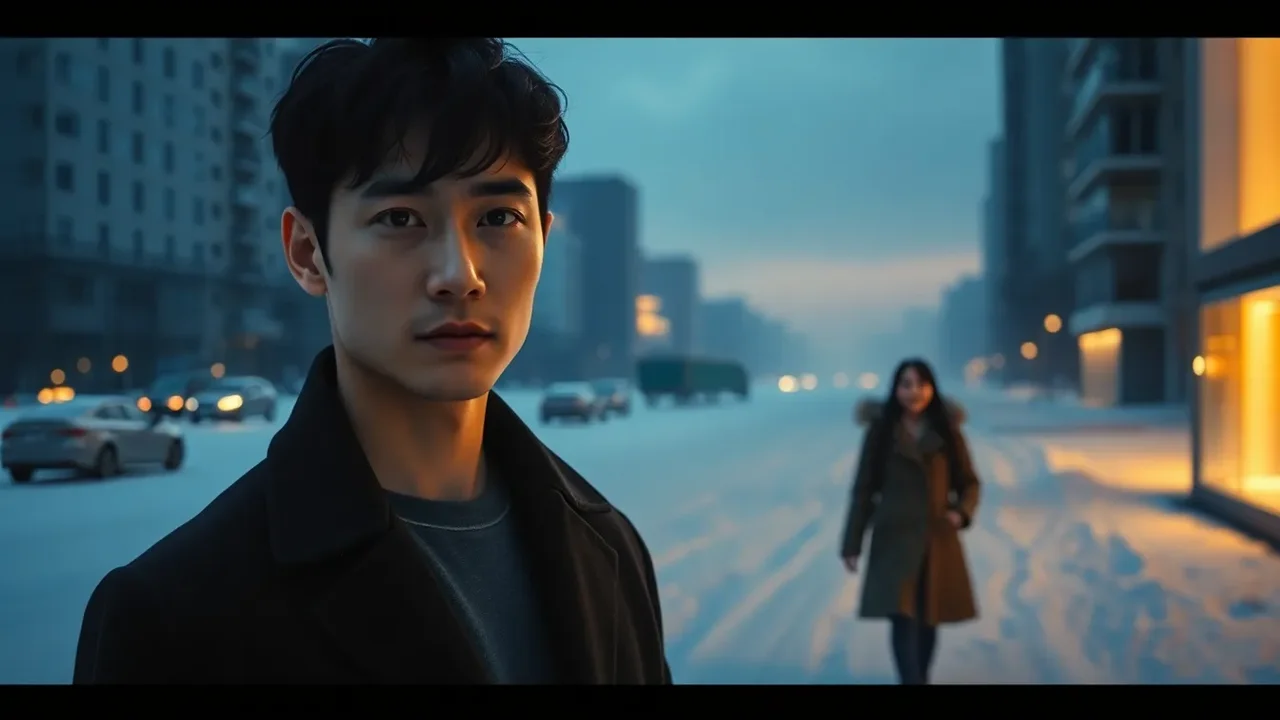
The cold male lead in K-dramas is a phenomenon that has captivated audiences worldwide. This archetype, often characterized by a stoic demeanor, emotional restraint, and a mysterious past, evokes a powerful response from viewers. We root for him not despite his coldness, but because of it. The journey of thawing his icy exterior becomes a central narrative hook, promising emotional depth and transformation. This article explores the psychological, narrative, and cultural reasons behind this enduring trope, offering detailed explanations, examples, and practical insights.
Psychological Roots: The Allure of the Wounded Hero
At its core, our attraction to the cold male lead is rooted in universal psychological patterns. Humans are drawn to mystery and the potential for redemption. The cold male lead often harbors a hidden vulnerability—a traumatic past, a broken family, or a deep-seated fear of intimacy. This woundedness triggers our innate desire to nurture and heal. Studies in attachment theory suggest that individuals with avoidant attachment styles, like the cold lead, can create a compelling dynamic where the viewer (or the female lead) becomes the secure base that allows him to open up. This mirrors real-life fantasies of being the one who can 'fix' someone, offering a sense of purpose and emotional reward.
Narrative Structure: The Slow Burn Romance
K-dramas masterfully utilize the cold male lead to craft a 'slow burn' romance. This narrative structure relies on delayed gratification, where small gestures—a fleeting smile, a protective act, a whispered confession—carry immense weight. The cold lead's initial emotional distance makes every moment of warmth feel earned and significant. For example, in the hit drama 'Crash Landing on You,' Ri Jeong-hyeok (Hyun Bin) starts as a reserved North Korean officer. His gradual shift from stoic protector to vulnerable lover is a masterclass in pacing. Similarly, in 'What's Wrong with Secretary Kim,' Lee Young-joon (Park Seo-joon) begins as a narcissistic CEO, but his coldness masks a childhood trauma. The narrative slowly peels back his layers, rewarding patient viewers with a deeply satisfying emotional payoff.
Cultural Context: Confucianism and Emotional Restraint
In Korean culture, influenced by Confucian values, emotional restraint is often seen as a sign of maturity and strength, especially for men. The cold male lead embodies this cultural ideal, but K-dramas subvert it by showing that true strength lies in vulnerability. This tension resonates with global audiences who may experience similar societal pressures. The cold lead's journey toward emotional expression becomes a metaphor for breaking free from rigid gender roles. Shows like 'My Mister' and 'It's Okay to Not Be Okay' explore this deeply, where the male lead's coldness is a coping mechanism for trauma, and his healing process is both cathartic and instructive.
Practical Information: Why We Keep Watching
From a screenwriting perspective, the cold male lead is a reliable tool for maintaining tension and audience investment. Writers use specific techniques to keep viewers engaged:
- Mystery Boxes: The cold lead often has a secret past or hidden identity, which is revealed in drips. This creates ongoing curiosity.
- Contrast with Warm Characters: The cold lead is often juxtaposed with a warm, sunny female lead or a supportive second male lead, highlighting his transformation.
- Non-Verbal Acting: Actors like Kim Soo-hyun, Gong Yoo, and Ji Chang-wook excel at conveying emotion through micro-expressions, making the cold exterior feel layered.
- Redemption Arcs: The cold lead's past mistakes or cold actions are later justified or atoned for, allowing viewers to forgive and root for him.
Examples of Iconic Cold Male Leads
Below is a table of notable cold male leads in K-dramas, their defining traits, and the dramas that made them famous:
| Drama | Character | Actor | Key Cold Trait | Transformation Catalyst |
|---|---|---|---|---|
| Crash Landing on You | Ri Jeong-hyeok | Hyun Bin | Stoic, disciplined, emotionally guarded | Love for Yoon Se-ri (Son Ye-jin) |
| What's Wrong with Secretary Kim | Lee Young-joon | Park Seo-joon | Narcissistic, dismissive, traumatized | Childhood trauma and Secretary Kim's patience |
| Goblin | Kim Shin (Goblin) | Gong Yoo | Eternal, melancholic, emotionally distant | Love for Ji Eun-tak (Kim Go-eun) |
| My Love from the Star | Do Min-joon | Kim Soo-hyun | Alien, logical, avoids emotions | Love for Cheon Song-yi (Jun Ji-hyun) |
| It's Okay to Not Be Okay | Moon Gang-tae | Kim Soo-hyun | Self-sacrificing, emotionally repressed | Therapy and love for Ko Moon-young (Seo Ye-ji) |
The Role of the Female Lead
The female lead is crucial in the cold male lead's arc. She is often the opposite—warm, persistent, and emotionally expressive. Her unwavering kindness creates a safe space for him to lower his defenses. This dynamic is not about 'fixing' him, but about mutual growth. In 'Her Private Life,' the female lead's fangirling over the cold artist Ryan Gold (Kim Jae-wook) helps him reconnect with his passion. In 'The King: Eternal Monarch,' the female lead's courage inspires the cold emperor Lee Gon (Lee Min-ho) to trust again. This partnership emphasizes that love is a collaborative journey, not a rescue mission.
Why We Root for Him: A Summary of Key Factors
- Relatability: Many viewers see their own struggles with emotional expression in the cold lead.
- Hope: His transformation offers hope that people can change and heal.
- Escapism: The fantasy of being the one who melts a cold heart is deeply satisfying.
- Complexity: Cold leads are often more nuanced, making them interesting to analyze.
- Reward: The emotional payoff after a long buildup is more intense than in instant romances.
Practical Tips for Writers and Fans
For aspiring K-drama writers, creating a compelling cold male lead requires balancing mystery with likability. Give him moments of accidental warmth—a small act of kindness he tries to hide, a vulnerable pause, or a dry wit. Avoid making him cruel without reason; his coldness should stem from pain, not malice. For fans, understanding these tropes can deepen appreciation of the craft. Notice how camera angles, music, and lighting shift when the cold lead begins to thaw. These subtle cues are part of what makes K-dramas so emotionally immersive.
Common Criticisms and Counterpoints
Some critics argue that the cold male lead trope romanticizes emotionally unavailable men, setting unrealistic expectations. However, K-dramas often address this by showing the consequences of his coldness—loneliness, missed opportunities, and hurting others. The narrative doesn't excuse his behavior but shows growth. In 'Because This Is My First Life,' the male lead's coldness is a defense mechanism from a failed relationship, and the drama critiques his avoidance. This self-awareness makes the trope more nuanced than it appears.
In conclusion, the cold male lead is a multifaceted archetype that taps into deep psychological needs, cultural dynamics, and narrative craftsmanship. His journey from ice to warmth mirrors our own desires for connection, healing, and transformation. Whether it's the silent, protective soldier or the aloof, brilliant CEO, we root for him because his story is ultimately about the hope that love can change us for the better.
FAQ - Why We Root for the Cold Male Lead in K-Dramas
Why are cold male leads so popular in K-dramas?
Cold male leads are popular because they create a compelling emotional journey. Their stoic exterior hides vulnerability, which triggers viewers' nurturing instincts. The slow transformation from cold to warm offers a satisfying narrative payoff, making every small gesture feel significant. Additionally, this trope reflects cultural ideals of emotional restraint while subverting them through growth, resonating with global audiences.
Does rooting for the cold male lead promote unhealthy relationship expectations?
While some critics argue it romanticizes emotionally unavailable partners, K-dramas often address this by showing the negative consequences of the lead's coldness. The narrative emphasizes mutual growth, not one-sided fixing. The female lead is typically strong and independent, and the relationship is built on communication and healing. However, viewers should distinguish between fiction and reality, recognizing that real relationships require effort from both sides.
What are some iconic examples of cold male leads in K-dramas?
Iconic examples include Ri Jeong-hyeok in 'Crash Landing on You' (Hyun Bin), a stoic North Korean officer; Lee Young-joon in 'What's Wrong with Secretary Kim' (Park Seo-joon), a narcissistic CEO with trauma; Kim Shin in 'Goblin' (Gong Yoo), an immortal goblin with melancholy; and Do Min-joon in 'My Love from the Star' (Kim Soo-hyun), an alien who avoids emotions. Each character has a unique backstory that justifies their coldness.
How do K-drama writers make cold male leads likable?
Writers use techniques like giving the cold lead a hidden vulnerability, a tragic past, or moments of accidental kindness. They also ensure the character is not cruel without reason—his coldness stems from pain, not malice. Non-verbal acting, such as micro-expressions and subtle gestures, helps convey depth. The slow reveal of his backstory builds empathy, while his gradual change keeps viewers invested.
What is the role of the female lead in the cold male lead's transformation?
The female lead typically serves as a catalyst for change through her warmth, persistence, and emotional openness. She does not 'fix' him but creates a safe space for him to lower his defenses. Her unwavering kindness and understanding challenge his beliefs about relationships, leading to mutual growth. This dynamic emphasizes that love is a partnership, not a rescue mission.
Are there any K-dramas that critique the cold male lead trope?
Yes, dramas like 'Because This Is My First Life' and 'It's Okay to Not Be Okay' offer nuanced critiques. In 'Because This Is My First Life,' the male lead's coldness is shown as a defense mechanism from past hurt, and the drama explores its negative impact on his relationships. 'It's Okay to Not Be Okay' portrays the cold lead's emotional repression as a symptom of trauma, and his healing journey involves therapy and self-awareness, not just romance.
K-drama fans root for the cold male lead because his stoic exterior hides vulnerability, creating a compelling slow-burn romance. This archetype taps into desires for healing and redemption, with his gradual transformation offering emotional payoff. Cultural themes of emotional restraint and mutual growth make his journey universally relatable and deeply satisfying.
The cold male lead in K-dramas is more than a trope—he is a mirror reflecting our own desires for connection, healing, and transformation. His journey from emotional isolation to vulnerability teaches us that strength is not in hiding our feelings but in sharing them. As viewers, we root for him because his story offers hope: that even the most guarded heart can learn to love, and that the path to warmth begins with a single, brave step. Whether through the quiet soldier or the arrogant CEO, these characters remind us that the most rewarding love stories are the ones that take time, patience, and a little bit of faith.